Germany Wine Tour: A Tour of Its Famous Vineyards and Wineries

Germany Wine Tour: A Tour of Its Famous Vineyards and Wineries


Introduction

When it comes to wine, Germany often surprises newcomers. While France, Italy, and Spain may dominate global headlines, German wine has a long, proud tradition of excellence that stretches back centuries. Known for its crisp whites, elegant reds, and sparkling sekt, Germany has established itself as one of Europe’s most exciting and unique wine destinations.

From the steep slopes of the Mosel to the sun-kissed vineyards of Baden, every region tells a story of terroir, tradition, and innovation. If you’re planning a journey through the world of Germany Wine Tour, here’s your guide to exploring its most famous vineyards and wineries.

A Brief History of Germany Wine Testing Tour 

Wine in Germany dates back to Roman times, when vineyards were planted along the Rhine and Mosel rivers. Over the centuries, monasteries refined winemaking techniques, and Germany developed a reputation for producing some of the world’s finest Rieslings.

Today, Germany boasts 13 official wine regions (Anbaugebiete), each with its own distinctive character. Together, they produce a wide range of styles—from bone-dry whites to lusciously sweet dessert wines and even increasingly popular reds.

Why German Wine Stands Out?

Germany’s chilly climate plays an important part in developing its wines.

  • High acidity in wines imparts freshness and durability.
  • Long ripening seasons produce rich fragrances.
  • Steep vineyards along river valleys receive the most sunlight.
  • Minerality is enhanced by diverse soils (slate, limestone, loess, volcanic).

What was the result?  Wines that strike a balance between fruitiness, freshness, and elegance are ideal for pairing with food or drinking alone.

Baden – Sun-Kissed Reds and Whites

e

Mosel – Steep slopes and world-class Riesling

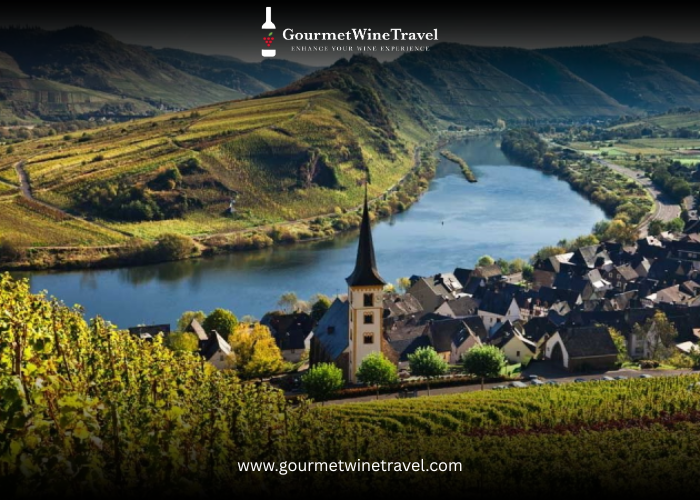
Mosel, the most famous German wine area, is known for its stunning vistas and slate-soil vineyards that cling to impossibly steep riverbanks.  The Rieslings here are legendary—light, fragrant, and full of minerality.

Highlights:

  • Bernkastel-Kues has lovely wine taverns.
  • Visit the iconic Weingut Dr. Loosen, which is world-renowned for its Riesling.
  • Wine tasting in Cochem with views of Reichsburg Castle.                                                              

Rheingau – The Birthplace of Riesling

The Rheingau, located just west of Frankfurt, has a rich history.  Riesling rose to prominence in this region, and it continues to produce some of the most polished versions today.  Rheingau also has stunning monasteries and castles overlooking the Rhine.

 Highlights:

  •  Schloss Johannisberg has been cultivating Riesling for more than 1,200 years.
  •  Kloster Eberbach is a former monastery with a rich wine heritage.
  •  Discover lovely wine towns such as Rüdesheim am Rhein.

Pfalz (Palatinate) – Germany’s Wine Powerhouse

Pfalz, which stretches along the Rhine Valley, is Germany’s second-largest wine region and one of its sunniest.  While Riesling remains popular, Pfalz is also noted for Pinot Noir (Spätburgunder), Pinot Blanc, and new experimental wines.

 Highlights:

  •  The German Wine Route (Deutsche Weinstraße) includes numerous tasting stations.
  •  Visit family-owned properties, such as Weingut Knipser.
  •  Enjoy wine festivals that celebrate local culture and cuisine.

Rheinhessen – Innovative and Diverse

Rheinhessen, Germany’s largest wine-growing region, is lively and continually evolving.  Previously chastised for bulk production, it now leads the way in innovation, with young winemakers producing fascinating Rieslings, Silvaners, and even sparkling wines.

 Highlights:

  •  The medieval city of Mainz is known as the wine capital.
  •  Weingut Keller is regarded as one of Germany’s best wineries.
  •  Hiking pathways through rolling vineyards.

Baden – Sun-Kissed Reds and Whites

Baden is Germany’s warmest wine region, spanning the Black Forest.  Its environment is suitable for growing Burgundy (Pinot) grapes, resulting in rich Pinot Noir, Chardonnay, and Pinot Gris.

 Highlights:

  •  Discover Kaiserstuhl, a volcanic location with remarkable terroir.
  •  Pair Baden wines with robust regional dishes.
  •  Visit Freiburg, a thriving city surrounded by vineyards.

Franken – Unique Bottle Shapes and Mineral Wines

The small and rounded Bocksbeutel bottles of Franken wines make them readily recognizable. The region is known for Silvaner, and it produces earthy, mineral-driven wines with particular character.

Highlights:

  • Würzburg’s Residenz, a UNESCO site featuring antique wine cellars.
  • Silvaner tastings at rustic wine bars.
  • River cruises down the Main, complete with wine stops.

Ahr Valley—A Red Wine Paradise

Ahr, one of the smaller wine districts, produces primarily red wines, particularly Spätburgunder (Pinot Noir). Despite its northern latitude, this microclimate produces surprisingly full-bodied reds.

Highlights:

  • Wine hikes along the Ahr River.
  • Visits to boutique Pinot Noir wineries.
  • Cozy wine taverns in places such as Dernau.

Wineries Worth Visiting for Germany’s Wine Enthusiasts

Here are some must-see wineries for travelers on a German wine tour:

  • Weingut Dr. Loosen (Mosel) – Renowned Riesling producer.
  • Schloss Johannisberg (Rheingau) – A historic Riesling estate.
  • Weingut Keller (Rheinhessen) – Known for its delicate and precise wines.
  • Weingut Knipser (Pfalz) – Specializes in both reds and whites.
  • Staatsweingut Freiburg (Baden) – A government estate with a variety of offerings.

Each winery offers more than just tastings; they also educate visitors about German winemaking traditions and advancements.

Pairing German Wine with Food

German wine pairs well with both local and international cuisine. Some classical pairs include:

  • Pair Riesling with spicy Asian dishes or seafood.
  • Silvaner with white asparagus (a German seasonal favorite).
  • Serve Spätburgunder (Pinot Noir) with roasted meats or mushrooms.
  • Sekt (German sparkling wine) complements celebratory meals and desserts.

Exploring these pairings improves the tasting experience and demonstrates the variety of German wines.

Wine Tourism in Germany

Beyond tastings, wine tourism in Germany is an experience in and of itself.

  • Wine Festivals: Pfalz’s Wurstmarkt is the world’s largest wine festival.
  • Wine Routes: Drive or bike along scenic routes such as the Deutsche Weinstraße.
  • River Cruises: Take a boat to explore the Mosel or Rhine valleys, stopping at vineyards.
  • Wine Hiking Trails: Follow defined pathways through nature while drinking wines.

This combination of culture, environment, and cuisine makes Germany a must-see trip for wine enthusiasts.

The Future of German Wine

With climate change, German winemakers are exploring new grape varieties and styles. Red wines are gaining ground, sparkling Sekt is enjoying a renaissance, and sustainable practices are becoming mainstream. Yet Riesling remains the jewel of Germany, continuing to earn international acclaim.

As younger generations of winemakers innovate, Germany’s reputation as a world-class wine country will only grow stronger.

Conclusion 

A wine tour in Germany is more than just drinking from a glass; it’s a voyage through thousands of years of history, landscapes, and traditions. Every sip, from the steep vineyards of the Mosel to the sunny slopes of Baden, conveys a narrative of dedication, terroir, and craftsmanship.

Germany’s vineyards and wineries provide an extraordinary trip for travelers seeking a combination of culture, beauty, and unique flavors.

So raise a glass and salute to the distinct and ever-changing world of German wine—a hidden gem waiting to be discovered.

Spain’s Rioja Region: Where Tradition Meets World-Class Wine

Spain’s Rioja Region: Where Tradition Meets World-Class Wine


Introduction

When wine enthusiasts think of Spain, one name stands out above the rest: Rioja. The Rioja area, known globally for its robust reds, delicate whites, and centuries-old winemaking heritage, is more than just a geographic location; it is a living story in which tradition, culture, and modern innovation coexist in every glass. Spain’s Rioja Region, located in northern Spain along the banks of the Ebro River, has established a reputation as one of the world’s best wine regions, offering a diverse tapestry of flavors, landscapes, and experiences.

We’ll look at the history, terroir, grape varietals, winemaking methods, and modern revival that make Rioja not only a wine lover’s paradise but also a cultural jewel of Spain.

A Legacy Rooted in History of Spain’s Rioja Region

Rioja’s winemaking legacy extends back over 2,000 years, to the Romans, who planted vines in the lush slopes of the Ebro. Throughout the Middle Ages, the Camino de Santiago pilgrimage route served to spread Rioja’s reputation by transporting its wines throughout Europe.

But the true turning point occurred in the 19th century, when French winemakers escaping the catastrophic phylloxera plague introduced modern winemaking techniques to Rioja. Barrique aging in wood, rigorous vineyard management, and blending techniques elevated the region from a local producer to an international standard.

Rioja now proudly has the Denominación de Origen Calificada (DOCa) title, Spain’s highest level of quality recognition, assuring that every bottle bearing its name satisfies stringent standards.

The Terroir: Rioja’s Secret Ingredient

Rioja’s geographical diversity is one of its greatest qualities. Rioja, which is protected by the Cantabrian Mountains to the north and affected by both Atlantic and Mediterranean climates, has great grape-growing conditions.

The region has three separate subzones:

  • Rioja Alta Rioja Alta is known for its milder climes and higher elevations, which result in wines with elegance, structure, and exceptional age potential
  • Rioja AlavesaThis area, which borders the Basque Country, has limestone-rich soils and produces aromatic wines that are elegant and balanced.
  • Rioja Oriental (previously Rioja Baja) This zone is warmer and drier, producing fuller-bodied wines with rich fruit character and intensity.

Rioja’s distinct identity is derived from the interaction of height, soil composition (limestone, clay, and iron-rich alluvial soils), and microclimates. A Tempranillo planted in Rioja Alta tastes very different from one grown in Rioja Oriental, yet together they constitute the heart of Rioja blends.

Grape Varieties: Stars of Rioja

While Rioja is best known for its Tempranillo, the region also produces a wide range of red and white grapes.

Red grapes

  • Tempranillo – The backbone of Rioja wines, with characteristics of cherry, plum, tobacco, and leather, with excellent age potential.
  • Garnacha (Grenache) – Provides luscious red fruit, warmth, and body.
  • Graciano – Known for its lively acidity and fragrant lift, it is commonly employed in blends.
  • Mazuelo (Carignan) – Adds tannin and structure to the blend.

White grapes

  • Viura (Macabeo) is the most often planted white type, providing crisp, flowery, and citrus-driven wines.
  • Malvasía enhances richness and aromas.
  • Tempranillo Blanco is an uncommon Tempranillo mutation that is increasingly being used in current Rioja white wines.

Rioja’s combination of native and adapted varieties allows it to create wines ranging from strong reds to pleasant whites, as well as sparkling and rosé altern

The Art of Aging: Rioja’s Signature

If there is one feature that differentiates Rioja from other wine regions, it is its age-based categorization system. Rioja, unlike many wine regions, places a premium on barrel and bottle ageing.

Joven – Young, fruit-forward wines with little or no oak maturation, intended for immediate consumption.

Crianza – Aged for at least two years, one of which is in wood, with a fruity and mellow oak flavor profile.

Reserva – Aged for at least three years (1 in oak), with richness, depth, and silky tannins.

Gran Reserva – The peak of Rioja tradition, aged at least 5 years (2 in wood and 3 in bottle). These wines are delicate, subtle, and can age nicely over decades.

Because of this commitment to age, Rioja wines are frequently offered ready to drink, allowing buyers to enjoy mature, rich bottles without having to cellar them.

Tradition Meets Innovation

Rioja has traditionally been linked with traditional winemaking practices, including American oak barrels, extended age, and Tempranillo-dominated blends. However, in recent decades, a new generation of winemakers has revitalized the region.

Many current Rioja growers are experimenting with: 

  • French oak aging produces subtler spices and softer tannins.
  • Single-vineyard bottlings that highlight terroir expression.
  • Organic and biodynamic approaches prioritize sustainability.
  • Innovative whites and rosés challenge stereotypes of Rioja as a red-wine region.

This blend of history and progress means that Rioja continues to enchant both traditionalists and ambitious wine drinkers.

Rioja Beyond the Glass: A Cultural Experience

A trip to Rioja is more than simply wine; it’s a voyage through Spanish culture, cuisine, and heritage.

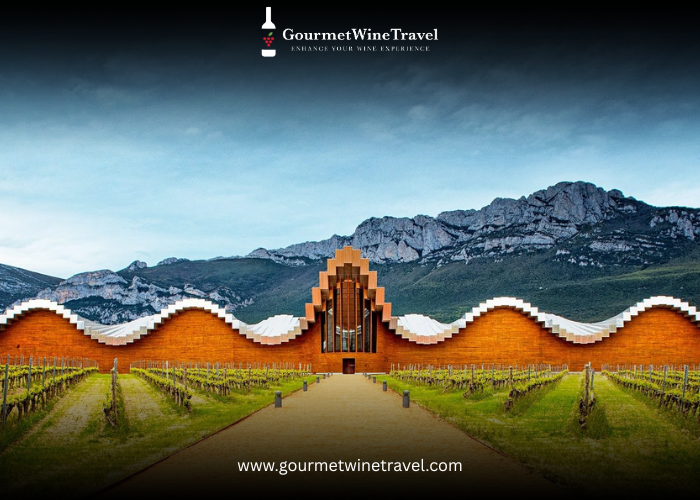
Wine Tourism (Enoturismo) – The region is peppered with old wineries (bodegas) and cutting-edge architectural marvels, including the Frank Gehry-designed Marqués de Riscal Hotel.

Tapas and Gastronomy – Rioja wines go well with local specialties such as patatas a la riojana (chorizo and potato stew), roasted lamb, and pintxos from the nearby Basque area.

Festivals – Events such as the annual Haro Wine Battle (Batalla del Vino) bring together locals and visitors for a fun celebration of wine.

Heritage Sites – Medieval villages, monasteries, and the Camino de Santiago route enrich the cultural landscape.

Rioja provides guests with a seamless blend of gorgeous vineyards, rich traditions, and exquisite cuisine.

Rioja’s Global Impact

Rioja wines are exported to more than 130 countries, with the United Kingdom, the United States, and Germany being the largest markets. Its reputation as a producer of consistent, high-quality wines has helped it become Spain’s global flagship area.

Rioja’s approachability, affordability, and grandeur make it a favorite among both casual wine consumers and collectors. Few places can provide such value across all grades, from a basic Joven for a nightly drink to an age-worthy Gran Reserva that rivals the best Bordeaux or Barolo.

Conclusion 

Rioja wines are exported to more than 130 countries, with the United Kingdom, the United States, and Germany being the largest markets.  Its reputation as a producer of consistent, high-quality wines has helped it become Spain’s global flagship area.

Rioja’s approachability, affordability, and grandeur make it a favorite among both casual wine consumers and collectors.  Few places can provide such value across all grades, from a basic Joven for a nightly drink to an age-worthy Gran Reserva that rivals the best Bordeaux or Barolo.

Whether you’re a seasoned wine enthusiast or just beginning your journey, Rioja has something unforgettable to offer. Ready to explore? Discover Rioja with Gourmet Wine Travel

Discover the Heart of Spanish Wine Culture in Catalunya

Discover the Heart of Spanish Wine Culture in Catalunya


Introduction

Spain is one of the world’s finest wine destinations, and Catalunya is a perfect example of its rich tradition. Catalunya (Catalonia), located in the northeastern corner of the Iberian Peninsula, offers a distinct blend of Mediterranean charm, historic vineyards, creative winemaking, and dynamic traditions. Catalunya is an excellent starting point for those interested in learning more about Spanish wine.

This blog will take you on a tour through Catalunya’s wine regions, grape varietals, and traditions, revealing why this region is considered the heart of Spanish wine culture.

A Legacy Rooted in History

The history of Spanish wine culture in Catalunya dates back over 2,000 years. Ancient Romans recognized the region’s fertile soils and Mediterranean climate, and planted vineyards that established the groundwork for the contemporary wine business. Throughout the Middle Ages, monks improved their winemaking processes, creating wines for religious events and local communities.

Catalunya’s winemakers continue this legacy today, combining tradition and innovation. Each glass of wine here is more than just a drink; it reflects centuries of tradition, values, and passion.

The Diversity of Catalunya’s Wine Regions

Catalunya has 12 Denominations of Origin (DOs), each with its terroir, climate, and personality. This versatility makes it a cornerstone of Spanish wine culture, with something for every taste.

1. Penedès: The Sparkling Soul of Catalonia

Penedès is the birthplace of Cava, Spain’s famous sparkling wine. Cava, made in the traditional style (similar to Champagne), is connected with festivity in Spanish culture. The region also produces superb still wines, with both local and international grape varietals flourishing here.

2. Priorat: Bold and Powerful.

Priorat, a treasure of Spanish wine culture, is world-renowned for its powerful, full-bodied reds. The region’s steep terraces and slate soils (known as llicorella) create wines of exceptional depth and character. Wines made from Garnacha and Cariñena grapes are popular among collectors worldwide.

3. Montsant – The Hidden Gem

Montsant, also known as Priorat’s younger sibling, produces high-quality red wines at more affordable prices. Its wines are powerful yet graceful, making it popular among residents who value true Spanish wine culture without the high price tag.

4. Empordà — Coastal Elegance

Empordà, which borders the Costa Brava, produces fresh, fragrant wines by blending coastal breezes with mountain air. Empordà’s wines range from clean whites to vibrant rosés, demonstrating Catalonia’s flexibility.

5. Costers del Segre: Innovation Meets Tradition

Inland, Costers del Segre is recognized for experimenting with international grapes like as Cabernet Sauvignon and Chardonnay while maintaining traditional Catalan varieties. This spirit of invention reflects the dynamic nature of Spanish wine culture.

Indigenous Grapes – The Soul of Spanish Wine Culture

While Catalunya welcomes international grapes, its native types are the true stars of Spanish wine culture. 

  • Macabeo, Xarel·lo, and Parellada are the classic trio behind Cava, providing freshness, body, and aromatics.
  • Garnacha (Grenache) is a versatile grape that can be used to make red and rosé wines.
  • Cariñena (Carignan) enhances depth, structure, and robust character, especially in Priorat and Montsant.
  • Trepat – A local red grape that produces light, fruity wines with a distinct character.

These grapes not only characterize Catalonia’s wine identity but also demonstrate the diversity of Spanish wine culture as a who

Wine and Gastronomy – A Perfect Pairing

In Spain, wine is synonymous with food and community. Catalunya is no exception, with a strong culinary culture centered upon wine.

  • Tapas & Wine – From patatas bravas to jamón ibérico, each tapa pairs perfectly with wine.
  • Seafood and Whites – Crisp Empordà whites complement coastal foods like grilled sardines and seafood paella.
  • Roasted Meats with Reds – Catalan stews and roasted lamb go well with Priorat and Montsant red wines.
  • Cava and Celebration – Whether it’s a wedding, a festival, or a simple family gathering, no Spanish wine culture celebration is complete without a glass of Cava.

Food and wine together express not only flavor, but also the rhythm of daily life in Catalonia.

Festivals & Traditions – Living Spanish Wine Culture

Catalunya’s wine culture is brought to life through festivals and rituals that allow tourists to experience authenticity.

  • Cava Week (Setmana del Cava) in Sant Sadurní d’Anoia features sparkling wine tastings, parades, and festivities.
  • The Festa de la Verema (Harvest Festival) in Penedès allows guests to participate in grape harvest rites, trampling grapes by foot as has been done for generations.
  • Wine & Music Festivals combine local wines with live music, capturing the social and joyful aspects of Spanish wine culture.

These events are more than just attractions; they are living traditions that unite people, wine, and history.

The Modern Face of Catalunya’s Wine

Catalunya’s unique capacity to honor tradition while embracing innovation distinguishes it from the rest of Spanish wine culture. Many local wineries are implementing sustainable and organic techniques, demonstrating a commitment to the earth and future generations.

Winemakers experiment with maturing methods, amphorae, and biodynamics, pushing the limits of what Spanish wine may be while remaining faithful to its essence. This blend of tradition and innovation is what keeps Catalunya at the core of Spain’s wine identity.


Why Catalunya is the Heart of Spanish Wine Culture?

Catalunya is more than just a destination; it’s a story about passion, tradition, and reinvention. From effervescent Cava to robust Priorat reds, from historic vineyards to sophisticated wineries, the region exemplifies all that makes Spanish wine culture so famous.

Catalunya is more than just a wine tasting destination; it’s a location where you can immerse yourself in history, culture, and community with each drink.

Conclusion 

If you’re planning a journey into the heart of Spanish wine culture, let Catalunya be your first stop. With its diverse wine regions, indigenous grapes, gastronomic pairings, and vibrant traditions, it offers a complete immersion into the spirit of Spanish wine.

Every vineyard tells a story, every glass carries centuries of tradition, and every meal shared with wine is an invitation into the warm heart of Catalunya.

So raise a glass—to Catalunya, to Spain, and the endless discoveries waiting for every wine lover.

Discover the Ancient Art of Winemaking on a Georgian Wine Tasting

Discover the Ancient Art of Winemaking on a Georgian Wine Tasting

Introduction

Georgia, a small country located at the crossroads of Europe and Asia and surrounded by the picturesque Caucasus Mountains, proudly claims the title of “cradle of wine.” Georgia’s winemaking past is intertwined with its culture, cuisine, and national identity, thanks to an uninterrupted viticulture tradition dating back over 8000 years. A wine tasting tour in Georgia is more than simply a voyage through gorgeous vineyards; it’s an immersive experience in history, hospitality, and living legacy.

Georgia, the birthplace of wine

Archaeological evidence found in the area links to ancient communities in Imiri, where wine production began in the Neolithic period. Georgia has an impressive 528 indigenous grape varietals out of the world’s 4,000, confirming its unique position in global wine culture. What distinguishes Georgian winemaking is not just its endurance, but also the use of the Qvevri, a traditional clay amphora.

Qvevri: Wine in Clay and Wine in History.

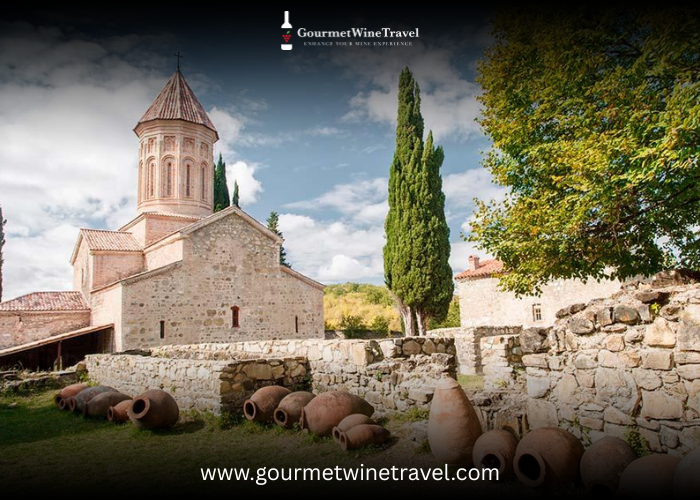
Unlike wines matured in wooden barrels or modern steel tanks, Georgian wine is often made in Qvevri—large clay vessels buried in the earth. These amphorae are firmly sealed with stone and clay, allowing the wine to age organically underground. This old process, designated by UNESCO as an Intangible Cultural Heritage in 2013, produces wines with a natural, earthy flavor character that differs from their European equivalents. The cooling soil regulates temperature, producing rich, expressive wines that represent the narrative of a region and its people.

The Renaissance of Georgian Wine

In recent years, international recognition has brought Georgian wine back into the spotlight.  Georgia’s winemaking is having a rebirth, as evidenced by its inclusion on Forbes’ “Top 10 Wines” list and the interest of sommeliers and adventurous visitors.  Beyond the headlines, however, nothing beats exploring the location itself—meeting the people, walking the vineyards, and tasting the wines where they are produced.

Journey Into The Vineyards: A Wine Tour Experience

A typical Georgian wine tour allows you to enjoy much more than just wine. Every day brings a discovery, ranging from historic cities to UNESCO treasures and lush grape pathways. One such tour begins in Tbilisi, Georgia’s lively capital. After a wonderful welcome supper with toasts and traditional ceremonies, known as a Supra, led by a Tamada (toastmaster), you’ll feel right at home in Georgia’s loving embrace.

Day 1–2: Tbilisi and Mtskheta

The adventure begins in Tbilisi, where we will explore the city’s old and modern aspects. Historic ancient town alleyways connect Liberty Square, Sioni Cathedral, the eccentric synagogue, and the Narikala Fortress. A short trip to nearby Mtskheta, Georgia’s spiritual core, exposes architectural marvels such as the Jvari Monastery, which stands high above the confluence of the Aragvi and Kura rivers.

Day 3: Kakheti Vineyards and Qvevri Making

Then you head east to Kakheti, considered Georgia’s most prestigious wine area. One of the tour’s highlights is an up-close look at Qvevri production, followed by an exploration of the rolling vines. Visits to prestigious estates such as Chateau Mosmieri and Chateau Buera combine hands-on winemaking education with tastings of traditional Qvevri wines and European-style vintages.

Day 4: Boutique and historic wineries

The tasting trip continues at smaller, boutique estates like Zurab Kviriashvili Vineyards, where local varietals like Rkatsiteli, Kisi, and Saperavi stand out. Chelti Winery, which has a century-long history, is reviving family traditions while serving organic, vegan wines made with a strong regard for the land.

Day 5-6: Entering the Caucasus

A Georgian wine tour is also an experience for the senses. After finding artisan cuisine at Telavi’s farmers’ market, you travel north to the spectacular vistas of the Greater Caucasus. The towering Gergeti Trinity Church and the panoramic Friendship Monument provide amazing views. Luxury lodgings, like as Lopota Lake Resort and the Rooms Design Hotel in Stepantsminda, offer both comfort and style.

More than wine: culture and cuisine.

Georgian hospitality is legendary. At each stop, local hosts share their enthusiasm for wine, cuisine, and stories. Traditional dinners (known as Supras) feature robust delicacies like as khachapuri (cheese bread), khinkali (dumplings), bazhe (walnut sauce), and a plethora of fresh, herb-infused specialties. All are, unavoidably, served with copious pours of local wine and emotional toasts.

Why a Wine Tour in Georgia is unforgettable?

Georgian hospitality is legendary. At each stop, local hosts share their enthusiasm for wine, cuisine, and stories. Traditional dinners (known as Supras) feature robust delicacies like as khachapuri (cheese bread), khinkali (dumplings), bazhe (walnut sauce), and a plethora of fresh, herb-infused specialties. All are, unavoidably, served with copious pours of local wine and emotional toasts.

Authenticity: Enjoy hands-on instruction in ancient winemaking and try varietals found nowhere else on the planet.

Culture: Explore the hills’ cathedrals, monasteries, and castles to discover cross-cultural riches.

Scenery: Take in the varied landscapes, from the luscious vineyards of Kakheti to the snow-capped peaks of Kazbek.

Hospitality: Through small meals, music, and folk customs, discover Georgia’s famous hospitality.

Plan Your Georgian Wine Adventure

If you want to fully immerse yourself in this rich cultural and culinary adventure, specialized wine tours, such as those painstakingly crafted by Gourmet Wine Travel, provide a seamless, all-inclusive experience. English- and German-speaking guides, five-star hotels, transportation, generous meals, and special tastings allow guests to concentrate on discovery and enjoyment.

One such tour, set from May 18 to 24, 2026, invites you to visit:

  • Visit iconic vineyards, both historic and boutique.
  • Experience individualized wine education with a sommelier guide.
  • Celebrate authentic regional cuisine and lively cultural events.
  • Enjoy exquisite accommodations in Tbilisi, Napareuli, and Stepantsminda.

Conclusion 

A Georgian wine tasting tour is more than simply a vacation; it’s an opportunity to engage with a historic culture, broaden your palate, and come home with plenty of memories and stories to share. Whether you’re a seasoned wine enthusiast or a curious tourist, Georgia’s unique blend of friendliness, history, and oenological expertise provides an unforgettable travel experience.

If you’re ready to experience the enchantment of Georgian wine firsthand, visit their dedicated page for more information and to reserve your spot on the 2026 Gourmet Wine Tasting Tour. This comprehensive adventure takes you to the heart of wine’s ancient homeland, where you’ll discover extraordinary flavors, friendships, and cultural treasures.

Explore more and sign up for Gourmet Wine Travel’s Georgian Wine Tasting Tour 2026.

Your Guide to the Best Alentejo Wine Tour in Portugal

Your Guide to the Best Alentejo Wine Tour in Portugal

Portugal’s Alentejo area is sometimes referred to as the country’s sleeping giant—a place of golden plains, rolling vineyards, cork woods, and timeless towns where life moves at a pleasantly languid pace. While Porto and the Douro Valley are frequently highlighted, Alentejo is Portugal’s wine heartland, producing some of the country’s most thrilling reds, delicate whites, and one-of-a-kind blended wines.

Whether you’re a seasoned oenophile or a curious visitor, an Alentejo wine tour is more than just sampling excellent vintages; it’s a voyage through centuries of wine-shaped history, culture, and landscapes.

In this guide, we’ll go over everything you need to know to plan the perfect Alentejo wine tour, including the top wineries and wine varieties, area attractions, seasonal suggestions, and how to make the most of your stay.

Why Choose Alentejo for a Wine Tour?

Alentejo is large, covering about one-third of Portugal, but it feels personal and welcome. Here’s why it’s an ideal trip for wine lovers:

Rich Wine Heritage: Winemaking in Alentejo stretches back to the Romans, and amphora-style fermentation is still used in some estates.

Wine Styles: From powerful, sun-soaked reds to crisp, refreshing whites, there is something for everyone’s taste.

Unspoiled scenery: Sweeping plains, olive groves, and old hilltop towns provide a lovely backdrop for tastings.

Authentic Experiences: Smaller crowds result in more personal experiences with winemakers.

The Wines of Alentejo: What to Expect?

Before you set out, you should know what’s in your glass.

Red Wines

The reds of Alentejo are warm, generous, and full-bodied, reflecting the region’s sunny atmosphere. The most common grape types are:

  • Aragonez (Tempranillo) is rich and fruity, with soft tannins.
  • Trincadeira is aromatic, with earthy and spicy undertones.
  • Alicante Bouschet is richly colored, powerful, and age-worthy.

White Wines

While reds dominate, Alentejo’s whites are gaining popularity:

  • Antão Vaz: Occasionally matured in oak, this wine has rich, tropical fruit scents.
  • Arinto: Citrusy, refreshing, and ideal for balancing mixes.
  • Roupeiro: Floral and fruity with a mild, refreshing finish.

Amphora Wines (Vinho de Talha)

A UNESCO-recognized tradition where wine is fermented in large clay vessels — earthy, complex, and truly unique.

The Main Wine Subregions of Alentejo

Alentejo is divided into eight subregions, each with distinct terroirs:

  1. Portalegre – Cooler climate, producing elegant reds and fresh whites.
  2. Borba – Known for structured reds and mineral-driven whites.
  3. Redondo – Balanced wines with a touch of spice.
  4. Reguengos – Powerful reds with aging potential.
  5. Vidigueira – Famous for white wines, especially Antão Vaz.
  6. Moura – Warm climate, producing smooth, ripe reds.
  7. Granja-Amareleja – Intense reds, often from old vines.
  8. Évora – Small but historically rich, with boutique producers.

Must-Visit Wineries in Alentejo

Here are some Alentejo’s famous wineries to include on your itinerary:

1. Herdade do Esporão (Reguengos de Monsaraz)

One of Alentejo’s most iconic estates, offering guided tours, tastings, and a fine-dining restaurant. Known for both traditional and experimental wines.

2. Adega Mayor (Campo Maior)

Designed by renowned architect Siza Vieira, this winery is a fusion of modern design and winemaking excellence.

3. Cartuxa (Évora)

Home to the famous Pêra-Manca wine, Cartuxa blends history with premium winemaking. Their tasting room is set in a former Jesuit refectory.

4. Quinta do Quetzal (Vidigueira)

Combines a contemporary art center with superb wines and a panoramic restaurant.

5. Herdade dos Grous (near Beja)

A luxurious wine estate with a boutique hotel, perfect for a full day or overnight stay.

Best Time to Visit Alentejo

  • Spring (March–May): Pleasant weather, blooming landscapes, fewer crowds.
  • Autumn (September–October): Harvest season — vibrant energy, grape picking, and fresh must tastings.

Tips for an unforgettable Wine Tour

  • Book Ahead: Many vineyards require appointments for tours and tastings.
  • Pace Yourself: Visit only 2-3 wineries every day to truly enjoy each experience.
  • Stay Overnight: Charming guesthouses and wine hotels allow you to absorb up the atmosphere.
  • Hire a Driver or Take a Tour: You can enjoy tastings without worrying about the road.
  • Beyond Wine: Discover cork oak woods, megalithic ruins, and artisan workshops.

Bringing Alentejo Home

Many wineries provide shipping, allowing you to bring your favorites back without worrying about luggage weight. Look for wines that are difficult to find outside of Portugal; they make excellent keepsakes or gifts.

Conclusion 

An Alentejo wine tour is more than just a sampling trip; it’s a gradual journey into Portugal’s soul. Between the old towns, sunlit vineyards, great hospitality, and superb wines, the experience lasts long after the last glass is poured.

Alentejo captures your senses and heart, whether you’re swirling a glass of inky Alicante Bouschet under the shade of an olive tree or sipping crisp Antão Vaz as the sun sets over golden meadows.

So wrap your curiosity, a thirst for knowledge, and let Alentejo give you the warmest welcome.

A Taste of Japan in Uster: Inside the Exclusive Sushi Wine & Dine 2025

A Taste of Japan in Uster: Inside the Exclusive Sushi Wine & Dine 2025

A Taste of Japan in Uster: Inside the Exclusive Sushi Wine & Dine 2025

Imagine an evening where elegance meets authenticity. Where every bite tells a story, every sip complements a journey, and every moment is steeped in cultural richness. That’s precisely what awaits guests at the Sushi Wine & Dine 2025, an exclusive gastronomic experience unfolding in the heart of Uster, Zurich, on Saturday, November 22, 2025.

Limited to just 10–11 privileged guests, this intimate event is not just a dinner—it’s an immersive journey into Japanese cuisine, culture, and fine wine. Hosted by two passionate culinary artists and guided by a sommelier with unmatched finesse, the evening promises a memorable escape for food lovers, culture seekers, and anyone craving a unique dining adventure.

Setting the Scene: A Culinary Evening with Soul

Tucked away in the picturesque town of Uster, the evening unfolds at Hohfurenstrasse 35, a charming venue chosen for its ambiance and ability to transport guests to a new world. At precisely 5:30 p.m., the doors open—not just to a dining room, but to a curated experience where every detail is thoughtfully crafted.

You’re welcomed with a European-inspired aperitif, a gentle nod to tradition with a modern twist. While Japan doesn’t typically include aperitifs in its culinary customs, the organizers recognize that a delightful opening act sets the tone—and so, with a glass of sparkling wine in hand, guests ease into what promises to be an unforgettable night.

Meet the Hosts: A Personal Touch

The magic behind Sushi Wine & Dine is the duo of Hanna and Marianne, two half-Japanese culinary enthusiasts whose love for sushi is both personal and profound. Their backgrounds blend heritage and training, resulting in dishes that are both deeply rooted in Japanese tradition and alive with personal creativity.

Having mastered the delicate art of sushi-making “from the ground up,” Hanna and Marianne don’t just prepare food—they share pieces of their story with every course. Their approach is unpretentious but refined, emphasizing quality, harmony, and the joy of shared meals.

Their authenticity is palpable, their energy contagious. The fact that only a small number of guests are invited ensures that each person has the chance to connect with the chefs and with each other—making this more of a culinary gathering than a conventional dinner party.

A Culinary Journey: From Starter to Sweet Surprise

The menu for Sushi Wine & Dine 2025 has been meticulously designed to take guests on a flavorful voyage through Japan, showcasing ingredients, techniques, and aesthetics rarely experienced outside of the country.

The Starter – Sophisticated Japanese Creation

The evening begins with an elegant starter, designed to awaken the senses and build anticipation. This course, though small in size, is layered in flavor and texture. Expect seasonal ingredients, delicate plating, and a fusion of umami and freshness that reflects the very essence of Japanese cuisine.

The Main Course – Sushi at Its Finest

The star of the night is, naturally, the sushi. But don’t expect a standard selection of maki rolls and nigiri. What Hanna and Marianne deliver is a masterclass in traditional sushi craftsmanship, highlighting techniques, knife skills, and ingredient pairings honed over years of experience.

From buttery toro (fatty tuna) to exquisitely balanced vinegared rice, every bite is an expression of care. The sushi is served in courses, allowing guests to savor each piece individually—celebrating not only the taste but also the aesthetics, aroma, and texture.

Each type of sushi is introduced with a short explanation, turning dinner into an engaging learning experience. You begin to understand the philosophy of “shun” (seasonal eating) and how much thought goes into balance and presentation.

The Dessert – A Sweet Surprise with Far Eastern Flair

The dessert course brings a gentle, satisfying close to the meal, merging classic Japanese ingredients with a European twist. Think matcha-infused creams, yuzu sorbets, or mochi-inspired delicacies—each designed to cleanse the palate and leave you feeling refreshed, not overwhelmed.

The Perfect Pairing: Wine by Armin, The White Glove Sommelier

While sushi may typically be paired with sake, this event explores the fascinating intersection of fine white wine and Japanese cuisine. That’s where Armin – The White Glove Sommelier – comes in.

With refined taste and a talent for storytelling, Armin introduces each wine in a way that enhances the experience without overshadowing it. His focus on carefully selected white wines—from crisp Rieslings to complex Chardonnays—adds a European elegance that beautifully complements the Japanese dishes.

Each wine is expertly matched to a course, emphasizing different elements: the acidity cutting through the richness of fish, the minerality echoing the flavors of the sea, the floral notes lifting the sweetness of dessert.

For wine lovers, this is an educational treat; for novices, it’s an accessible and enjoyable introduction to the art of pairing.

Why This Event Is So Special?

Sushi Wine & Dine 2025 stands out in a world full of generic food events. Here’s why:

  • Exclusivity: With only 10–11 guests, the event offers an intimate atmosphere where everyone feels seen, heard, and cared for. No crowded tables or rushed service—just a relaxed, immersive evening.


  • Authenticity: The hosts bring not just skill, but cultural depth. Their connection to Japan infuses the entire evening with meaning, from the decor to the dishes.


  • Curated Quality: From ingredients to wine, everything is chosen with intent and expertise. This is fine dining without the pretension—just elevated food in a comfortable, inviting setting.


  • Cultural Appreciation: It’s more than just a meal—it’s a cross-cultural celebration, a way to connect with traditions, techniques, and people you might not encounter every day.

Practical Details – Don’t Miss Your Chance

Date: Saturday, August 16, 2025
Time: 5:30 p.m. onward
Location: Hohfurenstrasse 35, 8610 Uster, Zurich
Tickets:

  • Instant booking price (until July 31, 2025) – CHF 149.00


  • Regular price (from August 1, 2025) – CHF 159.00

Due to the limited number of seats, early booking is strongly recommended. This isn’t just another dinner out—it’s a once-in-a-year event designed for those who appreciate fine food, rare wine, and unforgettable company.

Conclusion 

In a fast-paced world filled with quick meals and digital distractions, Sushi Wine & Dine 2025 invites you to slow down and savor. Whether you’re a sushi connoisseur, a wine enthusiast, or simply someone looking to experience something beautiful and unique, this evening offers a rare opportunity.

Come with an open mind, an empty stomach, and a love for discovery—and you’ll leave with new flavors on your palate and new memories in your heart.

Reserve your seat, bring your curiosity, and prepare for a taste of Japan like never before—in the heart of Switzerland.

Ready to Book?

Secure your place now via here and be part of an exclusive evening that celebrates the finest in food, wine, and culture.