
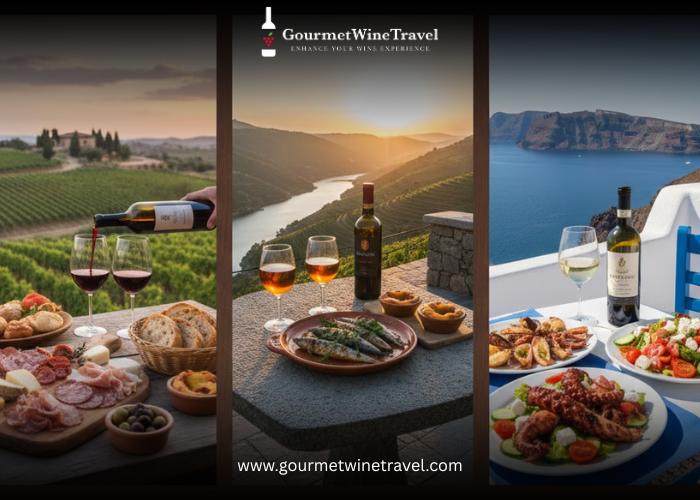
Wine and Food in Harmony: Exploring Local Cuisine on Wine Tours in Italy, Portugal, and Greece
Wine tastes better with the right food. That’s not just an opinion—it’s something Italy, Portugal, and Greece have known for thousands of years. In these Mediterranean countries, wine is part of every meal, every celebration, and every moment worth savoring.
Wine tours here offer more than vineyard visits. You’ll taste local dishes made from family recipes. You’ll eat ingredients grown nearby. You’ll understand why certain wines pair perfectly with certain foods. Let’s explore what makes each destination special.
Italy: Every Region Has Its Own Flavor
Italian wine tours take you through regions where food and wine grew up together. Each area has its own style, its own traditions, and its own magic.
Tuscany
Tuscany gives you bold red wines like Chianti and Brunello. The food matches that boldness. Think thick pasta with wild boar sauce. Massive T-bone steaks grilled over open flames. Hearty vegetable soups with crusty bread.
The region keeps things simple. Fresh pecorino cheese with honey. Olive oil so good you’ll want to drink it. And Vin Santo dessert wine with almond cookies you dip right in. Simple doesn’t mean boring—it means perfect.
Discover Italy’s wine regions and plan your trip at gourmetwinetravel.com/italy
Piedmont
Northern Italy’s Piedmont region makes some of the world’s best red wines: Barolo and Barbaresco. The food here is elegant and rich.
In fall, white truffles appear. They cost a fortune and taste like nothing else on earth.
Chefs shave them over fresh pasta or creamy risotto. Pair this with aged Barolo and you’ll understand why people travel here just for this experience.
Try tajarin—thin egg pasta with butter and sage. Or beef braised in Barolo wine, served with the same wine you’re drinking. Everything connects.
Sicily
Sicily mixes Italian, Arab, and Greek influences. The wines—like Nero d’Avola and Etna Rosso—are bold and distinctive. The food bursts with flavor.
Fresh pasta with sardines, fennel, and pine nuts. Grilled swordfish with capers. Sweet and sour eggplant that pairs beautifully with crisp white wines. And for dessert, cannoli with sweet Marsala wine.
Discover Italy’s wine regions and plan your trip at gourmetwinetravel.com/italy
Portugal: Europe’s Best-Kept Secret
Portugal produces incredible wines and serves food that makes you want to move there. The country combines hearty meals with wines that hold their own against any European competition.
Alentejo
Southern Portugal’s Alentejo region makes bold reds and crisp whites. The countryside is beautiful. The food is rustic and satisfying.
Try açorda—a bread soup with garlic, cilantro, and poached eggs. It’s comfort food that warms your soul. Black pork from acorn-fed pigs appears everywhere, from grilled steaks to cured meats. The fat practically melts, especially with a glass of full-bodied Alentejo red.
Local cheeses range from mild and fresh to sharp and aged. Pair them with crusty bread, local olive oil, and white wine. This simple combination makes a perfect afternoon snack between winery visits.
Experience Alentejo on a wine tour at gourmetwinetravel.com/italy
Douro Valley
The Douro Valley creates the most stunning wine scenery you’ll ever see. Terraced vineyards climb steep hillsides. Port wine made this region famous, but the table wines are exceptional too.
Salt cod appears in countless dishes—grilled, baked, or fried into golden cakes. Meat and vegetable stews warm you after a day exploring vineyards. Fresh river fish needs nothing more than olive oil and lemon.
Save room for dessert. Custard tarts with young Ruby Port create the perfect sweet ending. Or try aged Tawny Port with local cheese and cured meats.
Lisbon
Portugal’s capital offers incredible food markets and seafood restaurants. Fresh grilled sardines are a must. So is seafood rice. The city showcases wines from across Portugal, making it the perfect start or end to your wine country adventure.
Greece: Where Ancient Meets Modern
Greek wine culture goes back thousands of years. Today’s winemakers use ancient grape varieties with modern techniques. The result? Wines that pair perfectly with Greece’s healthy, vibrant cuisine.
Santorini
Santorini grows grapes in volcanic soil. This creates wines unlike anything else. Assyrtiko, a crisp white wine, might be Greece’s greatest wine.
The food here is simple and fresh. Fava (yellow split pea puree) topped with tomatoes and capers. Tomato fritters that burst with summer. Grilled octopus, fried calamari, or whole fish with lemon and olive oil.
Greek salad here actually tastes like Greece. Sun-ripened tomatoes. Creamy feta. Olives from nearby groves. Add a cold glass of Assyrtiko and you’re living the dream.
Nemea and the Peloponnese
The Peloponnese region produces Agiorgitiko, a smooth red wine locals call “St. George.” The food here is traditional Greek comfort cooking.
Moussaka with layers of eggplant, meat sauce, and béchamel. Slow-roasted lamb with lemon and oregano. Spinach pie and other savory pastries. Local cheeses with mountain honey drizzled over Greek yogurt.
Everything tastes like it was made with love—because it was.
Crete
Greece’s largest island produces diverse wines from grapes you’ve never heard of. The food reflects centuries of tradition.
Try dakos—a crispy rusk topped with tomatoes, feta, and olive oil. Lamb slow-cooked with wild greens. Fresh cheeses that pair perfectly with island wines. And olive oil so good it changes how you think about salads.
Explore Greece’s wine country gourmetwinetravel.com/italy
Why Mediterranean Pairings Work So Well
These countries developed their food and wine together over thousands of years. The wine complements the food. The food enhances the wine. They balance each other perfectly.
Meals here move slowly. Multiple courses arrive over hours. Different wines highlight different dishes. This isn’t just eating—it’s an experience.
The best pairings come from matching regional wines with regional food. Tuscan wine pairs perfectly with Tuscan food because they evolved together. The same soil, climate, and traditions shaped both.
Planning Your Wine Tour
Fall brings harvest celebrations and cooler weather, perfect for hearty dishes. Italy’s truffle season happens in the fall too. Spring and summer offer fresh produce, outdoor dining, and lighter wines.
Look for tours that include meals at family restaurants, cooking classes, and market visits. The best experiences let you make fresh pasta in Italy, prepare Portuguese appetizers, or assemble Greek mezze plates.
Don’t stick only to famous regions. Lesser-known wine areas often offer more intimate experiences, better prices, and equally delicious food. Small family wineries frequently arrange special meals showcasing their wines.
More Than Just Wine and Food
These wine tours offer unforgettable experiences. You’ll meet passionate winemakers and chefs. You’ll explore ancient villages and stunning landscapes. You’ll understand how geography and culture shape what you taste.
You’ll remember the sunset over Santorini with Assyrtiko in hand. The laughter around a long table in Tuscany, passing pasta and Chianti. The quiet moment in an Alentejo vineyard, tasting wine where the grapes grew.
Your Next Adventure Awaits
Gourmet Wine Travel shares this commitment by promoting global wine awareness and inspiring wine lovers to discover authentic wine regions, traditions, and stories from around the world.
Mediterranean wine and food culture welcomes everyone. Choose Italy’s diverse regions, Portugal’s hidden gems, or Greece’s ancient wine heritage. Either way, you’ll discover that wine and food together create something magical with Armin – The White GLove Sommelier.
These aren’t just vacations. They’re journeys into cultures that perfected the art of living well. Every meal becomes a celebration. Every glass tells a story.
The vineyards of Italy, Portugal, and Greece are ready to share their treasures. Your table is set. Your glass is ready. An unforgettable culinary adventure is waiting for you book your tour NOW
For a truly global wine-traveler, check out the ‘World Wine Travel Map of Armin – The White Glove Sommelier.’ – Check on YouTube.
Recent Comments