Group Wine Tour Questions to Ask Your Sommelier Guide

Group Wine Tour Questions to Ask Your Sommelier Guide


You’ve decided to book a group wine tour. Maybe you’ve been dreaming about walking through vineyards, swirling a beautiful glass of wine, and finally learning what makes certain wines so special. Smart move — and you’re already ahead by wanting to ask questions first.

Here’s the truth: not all wine tours are the same. The difference between a forgettable afternoon and an amazing wine travel experience often comes down to one person — your sommelier guide. Before you book, there are some important questions you need to ask.

I’ve been leading wine tours and gourmet experiences for years. The guests who enjoy it most are always the ones who came prepared. Let me show you exactly what to ask — and why it matters.


1. What Is Your Background and Certification?

This might feel awkward, but it’s the most important question. Anyone can call themselves a wine guide. Not everyone has the training or the passion to actually teach you something meaningful.

Ask if your guide is a certified sommelier or has formal wine training. When you’re spending money on wine travel, especially a gourmet tour, you deserve someone who can do more than just pour wine. Armin – The White Glove Sommelier brings formal certification and years of experience in fine dining and wine education. That changes every conversation at every stop.

A great guide doesn’t just name the grape. They tell you the story behind the soil, the season, the winemaker, and why this bottle is unlike anything you’ve tasted before

2. Is This a Group Tour or a Private Experience?

This is a big one — and many people forget to ask. Group tours are great. They’re social, often more affordable, and you meet fellow wine lovers. But a group tour with 25 people crammed into a tasting room is very different from an intimate group of six exploring a cellar at their own pace.

Ask about the group size. Ask who usually joins — beginners, enthusiasts, or collectors? If you’re traveling for a special reason like an anniversary or celebration, consider asking about a private experience where the tour works around you.

Armin – The White Glove Sommelier offers both group tour formats and fully private experiences, because every guest deserves the right fit.

3. What Wineries Will We Visit — And Why?

If you are celebrating International Syrah Day, here are some popular styles and regions to explore:

A good sommelier guide doesn’t just pick wineries for their pretty tasting rooms. They choose each stop to tell a story through wine.

Ask your guide to walk you through the itinerary and explain why each winery was chosen. Are you exploring different regions to see how geography shapes flavor? Are you comparing different winemaking styles? Are you going deep into one area to really understand it?

In wine travel, the curation matters as much as the destination. Whether you’re visiting Tuscany, Napa, Bordeaux, or a hidden gem region, your guide should explain what you’ll learn at every stop.

4. Is Food Included — Is This a Gourmet Tour?

Wine and food belong together. If your tour includes twelve wines and only a cracker between tastings, you’re missing half the experience — and probably heading home with a headache.

Ask if the tour includes food pairings, a winery lunch, or a full gourmet meal. A true gourmet tour blends food and wine naturally. Think a private lunch with library wines, or a farm-to-table dinner where every dish was built around what grows nearby.

Armin – The White Glove Sommelier designs gourmet tour experiences where every bite is intentional. When you taste a crisp, mineral white wine alongside the right dish, something clicks that no lecture ever could.

5. How Do You Handle Different Levels of Wine Knowledge?

Some guests are total beginners. Others have been collecting wine for decades. A skilled sommelier guide reads the room and adjusts.

Ask how your guide handles mixed groups. Can they explain tannins to a newcomer without boring the expert beside them? Can they go deeper when the group is ready? This skill separates great guides from people who just memorized a script.

6. What Transportation Is Included?

Wine travel should be completely stress-free. You should never worry about driving after a full day of tasting. Ask how transportation works — is there a dedicated driver, a luxury vehicle, or a minibus? Is hotel pickup included?

Armin – The White Glove Sommelier handles every detail, including comfortable and safe travel between every vineyard stop. The ride between wineries should feel like part of the experience — not a chore.


7. Can the Tour Be Customized?

Celebrating a birthday, anniversary, or honeymoon? Ask upfront if the tour can be personalized. A great guide will arrange something special — maybe a bottle from your birth year, a custom pairing menu, or exclusive cellar access most guests never get.

Also ask about dietary needs. Gluten-free, vegetarian, vegan — a serious gourmet tour should handle this without making it a big deal.

8. What Makes Your Tour Different?

This is the question that separates the special from the ordinary. Any website can sell you a wine tasting. What they can’t sell you is a sommelier’s personal relationship with winemakers — the access to private cellars, real conversations with owners, and bottles pulled out just for your group.

Armin – The White Glove Sommelier has built a reputation on this kind of access. Great wine travel isn’t about checking boxes. It’s about moments you’ll remember long after the glass is empty.

Conclusion

Booking a private gourmet tour is an investment in experience. The right sommelier guide turns it from a nice outing into something truly unforgettable. Ask your questions, trust your gut, and don’t settle for someone who can’t answer with confidence.

Ready to plan a wine travel you’ll never forget? Reach out to Armin – The White Glove Sommelier and let’s make it happen. The best glass of wine you’ve ever had is still out there waiting.

Cheers, Armin – The White Glove Sommelier
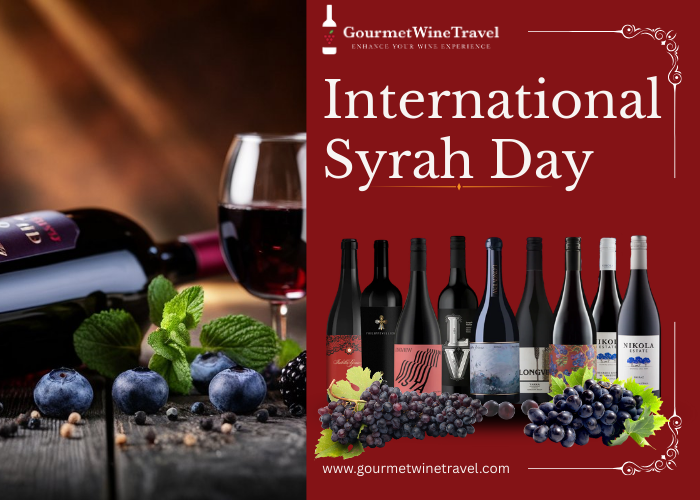
International Syrah Day: History of Syrah, Best Bottles & How to Enjoy It

International Syrah Day: History of Syrah, Best Bottles & How to Enjoy It

Every year, wine lovers around the world raise a glass on International Syrah Day to honor one of the boldest and most expressive red wines. Known for its deep color, rich flavors, and smooth finish, Syrah (also called Shiraz) has earned a special place in vineyards, cellars, and dining tables worldwide.

Whether you are new to Syrah or already a fan, this guide explores its history, top bottles, and the best ways to enjoy it. It is written for anyone who loves wine and travel.


A Brief History of Syrah

Syrah began its journey in the Rhône Valley of France, where it has been grown for hundreds of years. For a long time, people believed Syrah came from ancient lands like Persia or Sicily. Today, DNA research confirms its true home is southern France.

From there, Syrah spread across the globe. Winemakers in Australia, South Africa, Chile, and the United States embraced the grape and added their own local styles. In Australia, the grape became known as Shiraz, famous for its ripe fruit flavors and softer taste.

Today, Syrah grows in nearly every major wine region, with each place adding its own unique character to the grape.

What Does Syrah Taste Like?

Syrah is loved for its bold and complex flavor profile. Depending on where it is grown, you may notice:

– Dark fruits like blackberry and plum
– Black pepper and spice
– Hints of chocolate, smoke, or leather
– Smooth tannins and a long finish

Best Syrah Bottles to Try

If you are celebrating International Syrah Day, here are some popular styles and regions to explore:

France – Rhône Valley Syrah

Look for wines from Hermitage, Côte-Rôtie, or Crozes-Hermitage. These offer balance, spice, and aging potential.

Australia – Barossa Shiraz

Bold, fruit-forward, and full-bodied. Barossa Shiraz is perfect if you enjoy powerful reds.

USA – California Syrah

Paso Robles and Sonoma produce Syrah with ripe fruit, soft tannins, and smooth texture.

South Africa – Swartland Syrah

Fresh and earthy with bright acidity. These wines offer great value and are growing in popularity.

You don’t need to spend a fortune. Many excellent Syrah wines are available at mid-range prices and deliver outstanding quality.

Why Wine Lovers Choose Syrah?

Syrah stands out because it offers:

– Bold flavor without being overwhelming

– Versatility with food

– Styles for every palate

– Excellent aging potential

– Global variety

From casual dinners to special celebrations, Syrah fits every occasion

Frequently Asked Questions (FAQs)

What is the difference between Syrah and Shiraz?

They come from the same grape. “Syrah” usually refers to French-style wines, while “Shiraz” is the Australian name and often tastes fruitier and fuller.

Is Syrah a dry wine?

Yes. Syrah is typically dry, with medium to full body and noticeable tannins.

How long can Syrah age?

Many Syrah wines drink well young, but high-quality bottles can age for 10–20 years or more.

What foods pair best with Syrah?

Syrah pairs well with grilled meats, spicy dishes, mushrooms, hard cheeses, and rich sauces.

Is Syrah good for beginners?

Yes. Its smooth texture and bold flavors make it approachable for new wine drinkers.

Raise a Glass to International Syrah Day

International Syrah Day is the perfect moment to explore this iconic red wine. Open a new bottle, try a different region, or plan your next wine getaway.

And if you’re ready to turn your love for Syrah into an unforgettable journey, Gourmet Wine Travel is here to help you discover the world — one vineyard at a time.

Cheers to Syrah, great stories, and even better experiences.


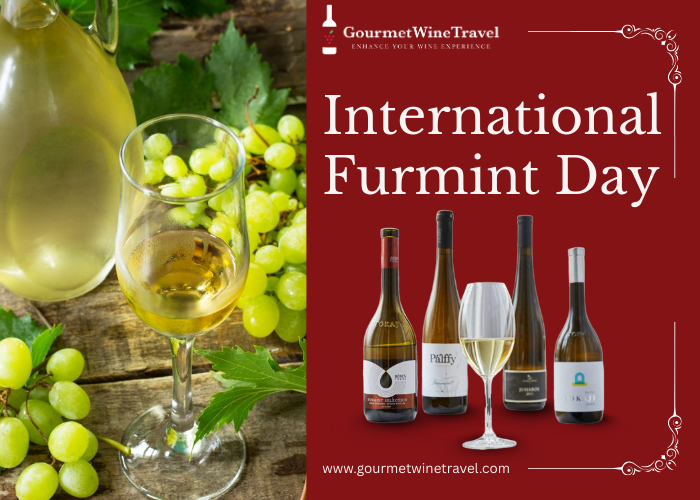
International Furmint Day: Armin – The White Glove Sommelier Joins the Global Celebration in Zurich

International Furmint Day: Armin – The White Glove Sommelier Joins the Global Celebration in Zurich

Every year on February 1st, wine lovers around the world raise a glass to a special grape called Furmint. This day is known as International Furmint Day. In 2026, the celebration brought together wine professionals and fans from many countries — including Armin – The White Glove Sommelier, who joined one of the official global events in Zurich, Switzerland.

The Zurich gathering offered tastings, conversations, and a chance to learn more about this unique grape. It showed how Furmint connects people through wine, culture, and shared passion. Whether you are new to wine or already love discovering rare grapes, International Furmint Day gives everyone a reason to explore something special

What Is International Furmint Day?

International Furmint Day takes place every year on February 1st. It began in 2017, started by Hungarian wine expert and author Dániel Kézdy. His goal was simple: help more people learn about Furmint and enjoy wines made from this grape.

The day also marks the start of Furmint February, a full month of tastings, events, and wine education around the world. Restaurants, wine bars, sommeliers, and wineries take part by opening bottles of Furmint and sharing their stories.

Today, International Furmint Day is celebrated in many countries. Wine lovers post their tastings online, join guided events, and discover new producers. What started as a small idea has grown into a global movement.

Why Do We Celebrate Furmint?

Furmint is not just another white grape. It carries history, character, and great flexibility in winemaking.

A Grape with Deep Roots

Furmint comes mainly from the Tokaj wine region in northeastern Hungary and nearby Slovakia. Winemakers there have grown it for hundreds of years. Records show Furmint wines existed as early as the 1500s.

The grape became famous through Tokaji Aszú, one of the world’s most respected sweet wines. European royalty once called it “the wine of kings.”

Some experts believe the name “Furmint” comes from a French word meaning wheat, which may describe the grape’s golden color when ripe.

Today, Furmint grows beyond Hungary. You can now find it in Austria, Slovenia, Croatia, South Africa, and even parts of the United States. This wider reach shows how much interest this grape has gained in recent years.

What Makes Furmint Wine Special?

Furmint stands out because it adapts easily to different styles. Winemakers can use it to make light dry wines, sparkling wines, blends, and rich sweet wines.

Here’s what wine lovers often notice:

Bright Acidity

Furmint has high natural acidity. This gives the wine freshness and energy. It also helps the wine age well over time.

Strong Sense of Place

Furmint reflects where it grows. Wines from volcanic soils often show mineral notes, while others highlight citrus, apple, pear, or stone fruit flavors.

Many Wine Styles

Furmint works in several styles:

Dry Furmint: Clean and crisp, with flavors like lemon, green apple, pear, and mineral tones

Sparkling Furmint: Fresh and lively, perfect for celebrations

Blends: Adds structure and acidity to mixed wines

Sweet Wines (Tokaji Aszú): Rich and layered, with honey, apricot, and dried fruit notes

This wide range makes Furmint exciting for both casual drinkers and wine professionals.

International Furmint Day 2026 in Zurich

In 2026, Zurich became one of the key cities for International Furmint Day celebrations. Wine experts, sommeliers, and enthusiasts gathered in an elegant setting to taste and learn.

Armin – The White Glove Sommelier Joins the Event

Among the guests was Armin – The White Glove Sommelier, who attended one of the official worldwide celebrations. He joined wine professionals from different countries to honor Furmint and explore its many expressions.

The event created space for tasting, discussion, and discovery. Guests sampled dry Furmints, sparkling versions, blends, and sweet wines. Each bottle showed a different side of the grape.

Armin shared insights about flavor profiles, vineyard influence, and food pairings. His presence added depth to the experience and helped guests better understand what makes Furmint unique.

A Truly Global Wine Experience

The Zurich celebration reflected the growing international interest in Furmint. Attendees came from diverse backgrounds but shared one thing: love for wine.

People exchanged tasting notes, talked with producers, and learned about winemaking methods. Some discovered Furmint for the first time. Others deepened their appreciation for this historic grape.

Events like this show how wine connects cultures. A single grape can bring together people from many countries — all through a shared glass.

How to Celebrate International Furmint Day

You don’t need to travel to Zurich to join the celebration. Here are simple ways to take part:

1. Open a Bottle

Start with a dry Furmint if you’re new. Try a sweet Tokaji Aszú if you enjoy dessert wines.

2. Pair It with Food

Furmint works well with:

  • Seafood
  • Grilled chicken
  • Asian dishes
  • Soft cheeses
  • Light pasta

Its acidity makes it easy to pair with many meals.

3. Compare Styles

Taste two or three Furmint wines side by side. Notice how each style feels different.

4. Host a Tasting

Invite friends. Share bottles. Talk about flavors. Make it fun and relaxed.

5. Learn and Share

Read about Tokaj and Furmint producers. Post your tasting notes online. Help others discover this grape

Conclusion

International Furmint Day celebrates more than wine. It honors tradition, craftsmanship, and global connection.

On February 1st, 2026, wine lovers once again came together to appreciate Furmint — from historic vineyards in Hungary to modern tastings in Zurich. With ambassadors like Armin – The White Glove Sommelier, the grape continues to gain fans around the world.

Furmint proves that great wine does not need fame to shine. It needs care, history, and people willing to explore.

So next time you pour a glass of Furmint, remember the journey behind it — and raise a toast to discovery.

Cheers to Furmint.