
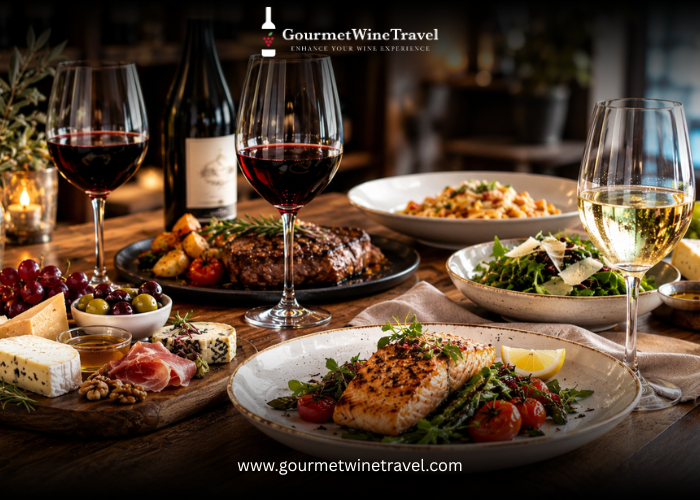
Wine and Food Pairing Basics You Should Know Before Your Next Dinner
Good wine and food pairing comes down to three things: matching weight, balancing acidity, and letting regional dishes lead you to their regional wines. You don’t need a sommelier’s memory to get it right at home—a light Swiss white next to fish, a structured red next to a hearty stew, and a sparkling wine next to anything salty will take you further than most guides admit. If you want to see these rules in action rather than just read about them, a wine travel trip through Lavaux or Valais, or an evening at a sushi wine & dine event in Zurich, is the fastest way to learn.
Why Wine and Food Pairing Actually Matters
A dinner can be good on its own and better with the right glass beside it. That’s really the whole idea behind pairing—not rules for their own sake, but two things on the table that make each other taste more like themselves. A crisp Chasselas next to a plate of perch from Lake Geneva doesn’t just taste fine; it tastes like the lake it came from. Get the pairing wrong, and neither dish nor wine is ruined, but you’ve missed a small, easy pleasure that costs nothing extra to get right.
Most people already do this instinctively without calling it pairing. You reach for something crisp with fried food, something bolder with red meat. The basics below just put a name to instincts you probably already have, so you can apply them with a little more confidence next time you’re staring at a wine list or a cellar shelf.
The Core Principles of Pairing Wine with Food
Match Weight with Weight
A delicate dish gets overpowered by a heavy wine, and a rich dish makes a light wine disappear. Think of weight as texture and intensity rather than alcohol level: a butter-poached fish wants a wine with a similarly gentle body, like a Fendant from Valais, while a braised short rib can stand up to a dense Syrah from the Rhône. When in doubt, match the wine’s body to how the dish feels in your mouth, not just what it’s made of.
Balance Acidity
Acidity in wine works like a squeeze of lemon on the plate—it cuts through fat, lifts flavor, and resets your palate between bites. This is why a high-acid white like a Swiss Chasselas or a Riesling works so well with creamy sauces, fried foods, or anything from the sea. If a dish already leans acidic, such as a vinaigrette-dressed salad, choose a wine with matching or higher acidity so the wine doesn’t taste flat next to the food.
Consider Sweetness and Salt
Salt softens tannin and can make an otherwise sharp red taste rounder, which is part of why cured meats and aged cheese pair so naturally with structured reds. Sweetness works the opposite way with heat and spice: a touch of residual sugar in the wine tames chili and keeps a dish from tasting one-note fiery. A slightly off-dry white alongside Thai or Sichuan food does more work than most people expect from a ‘dessert’ style wine.
Regional Pairings Work for a Reason
“What grows together, goes together” isn’t just a saying wine guides repeat for atmosphere—it holds up because regional cuisines and regional wines developed side by side, shaped by the same soil, climate, and local ingredients. Raclette and a Valais Fendant, fondue and a young Swiss white, fresh perch, and a Lavaux Chasselas: these pairings weren’t invented by a marketing team; they were worked out over generations at the same tables.
Common Pairing Mistakes to Avoid
- Serving big reds with delicate fish, which drowns out the fish entirely
- Choosing wine based on the protein alone and ignoring the sauce, which usually drives the pairing more than the meat or fish itself
- Serving reds too warm and whites too cold, which hides the qualities you’re trying to pair for in the first place
- Assuming one wine has to work for an entire multi-course meal instead of adjusting glass by glass
- Overlooking dessert wine entirely, then wondering why the sweet course feels unfinished
Wine Travel in Switzerland: Where Pairing Comes Alive
Reading about pairing only gets you so far. Switzerland happens to be one of the easiest places in Europe to actually taste these principles side by side, because the vineyards, the cellars, and the kitchens sit within a short drive of one another.
Lavaux and Lake Geneva
The terraced vineyards above Lake Geneva are a UNESCO World Heritage site, and they’re also a working demonstration of regional pairing. A glass of Chasselas tasted on a terrace overlooking the lake, alongside a plate of féra or perch fillets pulled from that same water, shows the weight-and-acidity principle better than any chart could.
Valais and the Rhône Valley
Further along the valley, Valais brings a different climate and a different set of pairings—Fendant with raclette, Petite Arvine with mountain cheeses, and structured reds like Cornalin that hold their own against game dishes from the surrounding alpine villages. A guided wine travel itinerary through this region typically moves from cellar to table in the same afternoon, so the theory and the meal happen almost back-to-back.
Zurich’s Sushi Wine & Dine Event
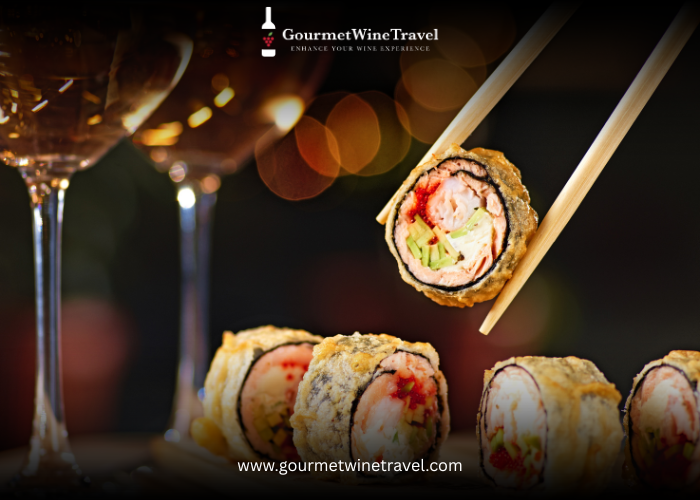
Not every useful pairing lesson comes from a vineyard. In Zurich, the Sushi Wine & Dine event takes a format most guests don’t expect—Japanese cuisine paired with fine European white wines rather than sake—and turns it into one of the more memorable ways to learn acidity and minerality in a single sitting. Each course arrives with a wine chosen to do a specific job: a crisp Riesling to cut through the richness of fatty fish, a mineral white to echo the clean, oceanic character of the dish beside it. It’s a small, guided evening rather than a lecture, which is exactly why the lessons stick.
How to Practice Pairing Before Your Next Dinner Party
You don’t need a cellar or a sommelier certificate to get better at this. Buy two wines of noticeably different weight and try each one against the same dish—you’ll taste the mismatch immediately when one overwhelms the food and the other gets lost. Keep a bottle of something crisp and Swiss on hand as a default for anything fried, creamy, or seafood-based, since high acidity solves more problems than any other single trait. And when the opportunity comes up, book a tasting or a small guided dinner rather than relying on trial and error alone—watching a sommelier explain a pairing in real time teaches more in one evening than months of guessing at home.
Frequently Asked Questions
What is the golden rule of wine and food pairing?
Match the weight of the wine to the weight of the dish first, then check that the acidity levels are close. Most pairing failures come from ignoring one of these two factors, not from picking the ‘wrong’ grape variety.
Does white wine always go with fish and red wine with meat?
It’s a reasonable starting point but not a rule. A rich, oily fish like salmon can handle a light-bodied red, and a delicate white meat dish can pair beautifully with a soft, low-tannin red served slightly cool. Texture and sauce matter more than the color of the protein.
What Swiss wines are easiest to pair with a wide range of dishes?
Chasselas from Lavaux and Fendant from Valais are both known for being food-friendly across a wide range of dishes, thanks to their moderate body and clean acidity. They’re a safe, versatile choice if you’re only bringing one bottle to a mixed-course dinner.
Is a Sushi Wine & Dine event worth trying if I usually drink sake with sushi?
Yes—it’s precisely the contrast that makes it worthwhile. Pairing sushi with fine white wine rather than sake highlights acidity and minerality in a way sake doesn’t, and most first-time guests describe it as changing how they think about both the food and the wine afterward.
How can I learn pairing hands-on rather than from a guide like this one?
Guided wine travel through a region like Lavaux or Valais, or a small, structured event such as a Sushi Wine & Dine evening, puts you in front of the pairing rather than just describing it. Tasting the mismatch and the match back-to-back is what makes the principles stick.
Conclusion
Wine and food pairing isn’t a test you can fail at your own dinner table. Match weight to weight, let acidity do its job, and lean on regional pairings when you’re unsure—that covers most situations you’ll run into. Switzerland makes it easy to take these basics further than a dinner party, whether that means a terrace above Lake Geneva with a glass of Chasselas in hand, a cellar visit in Valais, or a seat at a Sushi Wine & Dine evening in Zurich. However you get there, the fastest way to understand pairing is still to taste it.
Recent Comments