International Viognier Day: Taste the Richness of This Classic White Wine
Celebrating World Vermouth Day is the perfect excuse to explore all four styles and discover your personal favorite.
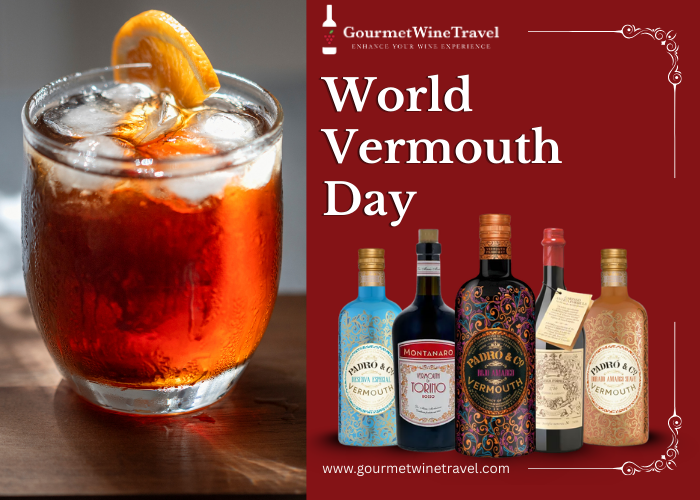
Did you know that vermouth—once considered just a supporting ingredient—was originally consumed as a medicinal tonic infused with botanicals and herbs? Fast forward to today, and it’s the secret soul behind some of the world’s most iconic drinks. And on March 20, 2026, the third Friday of March, we celebrate World Vermouth Day, a global toast to this aromatic marvel.
Ever wondered why vermouth turns a simple gin into magic? Or how a splash of it can transform whiskey into a sophisticated classic? That’s the charm of vermouth—it’s subtle, complex, and endlessly versatile.
In this guide, you’ll uncover everything you need to celebrate World Vermouth Day in style. From its rich Italian roots and modern craft revival to must-try vermouth cocktails, tasting tips, and unforgettable vermouth tours across Europe—we’re diving deep into the herbal heart of this timeless drink.
Whether you’re a cocktail enthusiast, a wine lover, or a traveler chasing authentic flavors, this blog will inspire your next sip—and maybe even your next trip.
The History of Vermouth
Vermouth’s story begins in 18th-century Turin, Italy—a city known for elegance, innovation, and aperitivo culture. It was here that herbal wine was transformed into something more refined and commercially viable. One of the earliest pioneers was Antonio Benedetto Carpano, founder of Carpano, who in 1786 created a sweet, aromatic vermouth that quickly became a favorite among royalty and locals alike.
Soon after, brands like Martini helped globalize vermouth, making it a staple in bars from Europe to America. Originally crafted by infusing fortified wine with botanicals such as wormwood, herbs, spices, and citrus peels, vermouth became both an aperitif and a cocktail essential.
Fun Facts:
– Wormwood Origins: The word “vermouth” comes from the German word wermut, meaning wormwood—its key ingredient.
– Royal Approval: Vermouth was once favored by the royal court of Turin.
– Prohibition Popularity: During Prohibition in the U.S., vermouth gained popularity as it was easier to obtain than spirits.
Today, World Vermouth Day celebrates not only its heritage but also its modern evolution. Craft producers are experimenting with local botanicals, organic wines, and sustainable practices—giving rise to a new generation of vermouth that appeals to global palates.
Types of Vermouth (And How to Enjoy Them
Understanding vermouth styles is essential for mastering vermouth cocktails and enhancing your vermouth tasting experience.
1. Sweet (Rosso) Vermouth
– Flavor: Rich, slightly sweet, with notes of caramel and spices
– Best Pairings: Dark chocolate, aged cheese, grilled meats
– Cocktails: Negroni, Manhattan
2. Dry Vermouth
– Flavor: Crisp, herbal, slightly bitter
– Best Pairings: Seafood, olives, light appetizers
– Cocktails: Martini
3. Bianco Vermouth
– Flavor: Floral, semi-sweet, vanilla hints
– Best Pairings: Soft cheeses, fruit platters
– Cocktails: Spritz variations
4. Extra Dry Vermouth
– Flavor: Very light, sharp, and clean
– Best Pairings: Shellfish, salads
– Cocktails: Dry Martini
Celebrating World Vermouth Day is the perfect excuse to explore all four styles and discover your personal favorite.
6 Must-Try Vermouth Cocktails
Here are easy, Instagram-worthy vermouth cocktails to try this World Vermouth Day:
1. Negroni
– 30 ml gin
– 30 ml sweet vermouth
– 30 ml Campari
Stir with ice, garnish with orange peel
2. Classic Martini
– 60 ml gin
– 10 ml dry vermouth
Stir, strain, garnish with olive or lemon twist
3. Manhattan
– 50 ml whiskey
– 25 ml sweet vermouth
Dash of bitters
Stir and garnish with cherry
4. Vermouth Spritz
– 60 ml bianco vermouth
– 90 ml soda
– Slice of lemon
– Serve over ice
5. Americano
– 30 ml sweet vermouth
Soda water
Garnish with orange slice
6. Bamboo Cocktail
– 45 ml dry vermouth
– 45 ml sherry
Dash bitters
Stir and strain
These recipes highlight why World Vermouth Day is the ultimate celebration of balance, aroma, and creativity in mixology.
Trends: The Rise of Modern Vermouth
The global spotlight on World Vermouth Day has fueled new trends:
Sustainable Vermouth
Producers are using organic grapes and eco-friendly botanicals.
Indian Craft Vermouth
India is emerging as a surprising player, blending local spices with traditional methods—perfect for adventurous vermouth tasting.
Low-Alcohol Movement
Vermouth is central to low-ABV drinks, making vermouth cocktails more appealing to health-conscious consumers.
These trends ensure World Vermouth Day continues to evolve with modern tastes.
International Riesling Day is not just about enjoying a glass of wine – it is about celebrating the rich history, craftsmanship, and cultural heritage behind every bottle. Whether you prefer a crisp dry Riesling or a delicately sweet style, this special day is the perfect moment to discover new vineyards, explore different regions, and appreciate the remarkable diversity of this iconic grape.
So raise a glass and celebrate the timeless elegance of Riesling – a wine that continues to connect tradition, terroir, and taste in every sip.
DIY Vermouth Tasting Party at Home
Why not host your own World Vermouth Day celebration?
Start with 3–4 types of vermouth (rosso, dry, bianco). Arrange them in elegant glasses and label each for a guided vermouth tasting experience. Add small bites like cheese boards, olives, nuts, and dark chocolate to enhance flavors.
Create a DIY cocktail station with ingredients for classic vermouth cocktails like Negroni or Spritz. Let guests mix their own drinks—it’s interactive and fun!
For Instagram-worthy vibes:
– Use warm lighting or candles
– Add citrus slices and herb garnishes
– Choose aesthetic glassware
Play Italian jazz or lounge music to set the mood. You can even theme it around a mini “European tour” inspired by famous vermouth tours.
Celebrating World Vermouth Day at home can feel just as luxurious as being in Italy—if you get the details right.
Conclusion
From its herbal roots in Turin to its modern global revival, vermouth is more than just a cocktail ingredient—it’s a cultural experience. World Vermouth Day is your chance to explore its flavors, experiment with vermouth cocktails, indulge in vermouth tasting, and even plan unforgettable vermouth tours.
Whether you’re sipping a Negroni, hosting a tasting party, or dreaming of Italy, there’s no better time to appreciate this timeless drink.
Try a recipe this World Vermouth Day and tag us @gourmet_winetravel
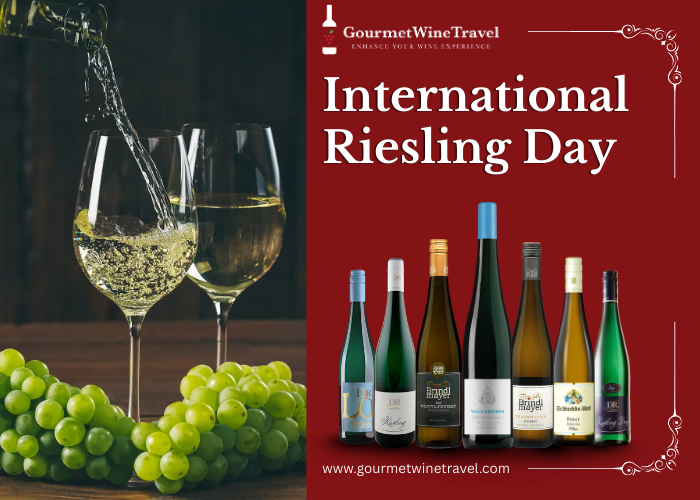
International Riesling Day is a wonderful occasion for wine enthusiasts to appreciate one of the world’s most expressive and versatile white grape varieties – Riesling. The celebration is linked to the first recorded mention of Riesling in a historic German document from 1435, marking a decisive moment in the grape’s long and fascinating history.
For centuries, Riesling has captivated wine lovers with its vibrant aromas, refreshing acidity, and remarkable ability to reflect the character of the vineyards where it is grown. From crisp, dry styles to beautifully balanced sweet wines, Riesling continues to be a favorite among sommeliers, collectors, and casual wine drinkers alike. International Riesling Day provides a wonderful opportunity to explore the grape’s heritage, discover its diverse styles, and learn more about the iconic vineyards that produce it.
The Origins of Riesling
Riesling’s story begins in Germany, where it has been cultivated for centuries. The earliest documented reference to the grape appears in records from the Rheingau region in 1435, when a vineyard manager recorded the purchase of Riesling vines. Over time, the grape spread across many German wine regions and became one of the country’s most celebrated varieties.
The ability of Riesling to embody the concept of terroir, a blend of soil, climate, and geography, sets it apart. The grape thrives particularly well in cooler climates, where slow ripening allows it to develop complex flavors while maintaining balanced acidity. This distinctive characteristic explains why Riesling wines from different regions can taste remarkably different, even when produced from the same grape variety.
Temjanika: Macedonia’s Aromatic White Treasure
If Vranec is Macedonia’s red soul, Temjanika is its white heart – and it is criminally underappreciated beyond the Balkans. This indigenous aromatic white variety, related to the Muscat family, produces wines of haunting floral intensity: rose petal, orange blossom, fresh apricot, and a distinctive musky sweetness that makes it immediately recognizable and endlessly beguiling.
Temjanika is produced across a stylistic spectrum that rewards exploration. Dry expressions showcase the variety’s natural acidity alongside its perfume, creating a wine of genuine tension and elegance that pairs beautifully with the lighter dishes of Macedonian cuisine – grilled fish, fresh vegetables and white cheeses. Semi-dry and sweet expressions allow the variety’s natural aromatics to bloom fully, producing wines that function as both aperitif and dessert accompaniments with equal success.
The Skopje and Ovče Pole districts produce particularly notable Temjanika, and boutique producers working with naturally lower yields are crafting versions that demonstrate this variety has genuine premium potential when taken seriously. In a blind tasting, an excellent Macedonian Temjanika can stop even experienced wine lovers in their tracks – the question of “What is this?” arising from a combination of familiarity and the unmistakable sense that something genuinely distinctive is in the glass.
Why Riesling Is Loved Around the World
Riesling’s popularity comes from its incredible diversity and versatility. Unlike many other grape varieties, Riesling can produce wines across a wide spectrum of styles.
Some Rieslings are dry and mineral-driven, offering crisp citrus and green apple notes. Others are off-dry, balancing gentle sweetness with refreshing acidity. At the sweeter end of the spectrum, Riesling can produce luscious dessert wines with flavors of honey, stone fruit, and tropical aromas.
Another reason Riesling is so widely appreciated is its natural acidity, which provides the wine a refreshing character and helps it age gracefully. Many high-quality Rieslings can develop fascinating complexity over time, revealing aromas of petrol, dried fruit, and spice as they mature.
Riesling is also known for its excellent food-pairing potential. It complements a wide variety of cuisines, including spicy Asian dishes, seafood, poultry, and light salads. The balance of sweetness and acidity allows it to pair beautifully with flavors that might overwhelm other wines.
Iconic Riesling Regions to Explore
On International Riesling Day, wine lovers often celebrate by exploring some of the most famous Riesling regions in the world. Each region brings its style and personality to the grape.
One of the most renowned Riesling regions is the Mosel, famous for its steep vineyards overlooking the Mosel River. The region produces elegant wines known for their bright acidity, delicate sweetness, and aromas of green apple, citrus, and slate minerality.
Mosel Rieslings are often lighter in body but incredibly aromatic, making them some of the most recognizable expressions of the grape.
Across the border in Alsace, Riesling takes on a different personality. Alsace Rieslings are typically dry and powerful, with concentrated fruit flavors and a rich texture. The region’s sunny climate and diverse soils create wines that are both structured and expressive.
Alsace producers often highlight the grape’s purity, crafting wines that emphasize mineral notes and vibrant fruit character.
In Wachau, Riesling thrives along the steep terraces of the Danube River. The wines from this region are known for their intensity, complexity, and distinctive stone-fruit aromas.
Wachau Rieslings are typically dry and age-worthy, with a balance of power and elegance that has earned them international recognition.
Riesling has also found a remarkable home in the Southern Hemisphere. In Clare Valley, producers create crisp, refreshing Rieslings with vibrant lime and citrus flavors.
These wines are often youthful and energetic, showcasing the grape’s natural freshness and purity.
Celebrating International Riesling Day
International Riesling Day on March 13 is a wonderful opportunity to celebrate the grape’s heritage and explore its global diversity. Wine enthusiasts mark the occasion in many ways, from tasting new bottles to visiting vineyards or learning more about Riesling’s history.
A popular way to celebrate is by organizing a Riesling tasting experience. Sampling wines from different regions allows you to discover how climate, soil, and winemaking traditions influence the final expression of the grape.
Another enjoyable way to celebrate is by pairing Riesling with food. Because the wine works well with a wide variety of dishes, it’s easy to create a tasting menu that highlights its versatility. From seafood and sushi to spicy Asian cuisine and fresh salads, Riesling can elevate many meals.
Wine tours are also a fantastic way to experience the grape firsthand. Visiting vineyards during the growing season allows travelers to see the landscapes where Riesling thrives and meet the passionate winemakers who bring these wines to life.
Conclusion
More than five centuries after its first recorded mention, Riesling keeps inspiring wine lovers across the globe. Its unique ability to express terroir, age beautifully, and complement diverse cuisines ensures that it remains one of the world’s most admired white grape varieties.
International Riesling Day is not just about enjoying a glass of wine – it is about celebrating the rich history, craftsmanship, and cultural heritage behind every bottle. Whether you prefer a crisp dry Riesling or a delicately sweet style, this special day is the perfect moment to discover new vineyards, explore different regions, and appreciate the remarkable diversity of this iconic grape.
So raise a glass and celebrate the timeless elegance of Riesling – a wine that continues to connect tradition, terroir, and taste in every sip.
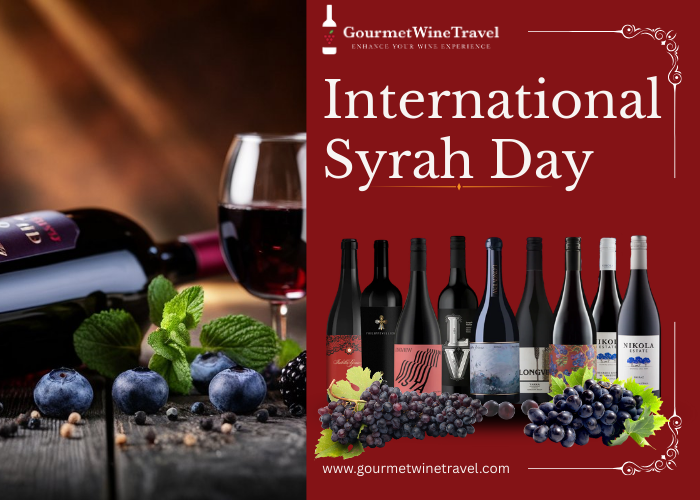
Every year, wine lovers around the world raise a glass on International Syrah Day to honor one of the boldest and most expressive red wines. Known for its deep color, rich flavors, and smooth finish, Syrah (also called Shiraz) has earned a special place in vineyards, cellars, and dining tables worldwide.
Whether you are new to Syrah or already a fan, this guide explores its history, top bottles, and the best ways to enjoy it. It is written for anyone who loves wine and travel.
A Brief History of Syrah
Syrah began its journey in the Rhône Valley of France, where it has been grown for hundreds of years. For a long time, people believed Syrah came from ancient lands like Persia or Sicily. Today, DNA research confirms its true home is southern France.
From there, Syrah spread across the globe. Winemakers in Australia, South Africa, Chile, and the United States embraced the grape and added their own local styles. In Australia, the grape became known as Shiraz, famous for its ripe fruit flavors and softer taste.
Today, Syrah grows in nearly every major wine region, with each place adding its own unique character to the grape.
What Does Syrah Taste Like?
Syrah is loved for its bold and complex flavor profile. Depending on where it is grown, you may notice:
– Dark fruits like blackberry and plum
– Black pepper and spice
– Hints of chocolate, smoke, or leather
– Smooth tannins and a long finish
Best Syrah Bottles to Try
If you are celebrating International Syrah Day, here are some popular styles and regions to explore:
France – Rhône Valley Syrah
Look for wines from Hermitage, Côte-Rôtie, or Crozes-Hermitage. These offer balance, spice, and aging potential.
Australia – Barossa Shiraz
Bold, fruit-forward, and full-bodied. Barossa Shiraz is perfect if you enjoy powerful reds.
USA – California Syrah
Paso Robles and Sonoma produce Syrah with ripe fruit, soft tannins, and smooth texture.
South Africa – Swartland Syrah
Fresh and earthy with bright acidity. These wines offer great value and are growing in popularity.
You don’t need to spend a fortune. Many excellent Syrah wines are available at mid-range prices and deliver outstanding quality.
Why Wine Lovers Choose Syrah?
Syrah stands out because it offers:
– Bold flavor without being overwhelming
– Versatility with food
– Styles for every palate
– Excellent aging potential
– Global variety
From casual dinners to special celebrations, Syrah fits every occasion
Frequently Asked Questions (FAQs)
What is the difference between Syrah and Shiraz?
They come from the same grape. “Syrah” usually refers to French-style wines, while “Shiraz” is the Australian name and often tastes fruitier and fuller.
Is Syrah a dry wine?
Yes. Syrah is typically dry, with medium to full body and noticeable tannins.
How long can Syrah age?
Many Syrah wines drink well young, but high-quality bottles can age for 10–20 years or more.
What foods pair best with Syrah?
Syrah pairs well with grilled meats, spicy dishes, mushrooms, hard cheeses, and rich sauces.
Is Syrah good for beginners?
Yes. Its smooth texture and bold flavors make it approachable for new wine drinkers.
Raise a Glass to International Syrah Day
International Syrah Day is the perfect moment to explore this iconic red wine. Open a new bottle, try a different region, or plan your next wine getaway.
And if you’re ready to turn your love for Syrah into an unforgettable journey, Gourmet Wine Travel is here to help you discover the world — one vineyard at a time.
Cheers to Syrah, great stories, and even better experiences.
Every year on February 1st, wine lovers around the world raise a glass to a special grape called Furmint. This day is known as International Furmint Day. In 2026, the celebration brought together wine professionals and fans from many countries — including Armin – The White Glove Sommelier, who joined one of the official global events in Zurich, Switzerland.
The Zurich gathering offered tastings, conversations, and a chance to learn more about this unique grape. It showed how Furmint connects people through wine, culture, and shared passion. Whether you are new to wine or already love discovering rare grapes, International Furmint Day gives everyone a reason to explore something special
What Is International Furmint Day?
International Furmint Day takes place every year on February 1st. It began in 2017, started by Hungarian wine expert and author Dániel Kézdy. His goal was simple: help more people learn about Furmint and enjoy wines made from this grape.
The day also marks the start of Furmint February, a full month of tastings, events, and wine education around the world. Restaurants, wine bars, sommeliers, and wineries take part by opening bottles of Furmint and sharing their stories.
Today, International Furmint Day is celebrated in many countries. Wine lovers post their tastings online, join guided events, and discover new producers. What started as a small idea has grown into a global movement.
Why Do We Celebrate Furmint?
Furmint is not just another white grape. It carries history, character, and great flexibility in winemaking.
A Grape with Deep Roots
Furmint comes mainly from the Tokaj wine region in northeastern Hungary and nearby Slovakia. Winemakers there have grown it for hundreds of years. Records show Furmint wines existed as early as the 1500s.
The grape became famous through Tokaji Aszú, one of the world’s most respected sweet wines. European royalty once called it “the wine of kings.”
Some experts believe the name “Furmint” comes from a French word meaning wheat, which may describe the grape’s golden color when ripe.
Today, Furmint grows beyond Hungary. You can now find it in Austria, Slovenia, Croatia, South Africa, and even parts of the United States. This wider reach shows how much interest this grape has gained in recent years.
What Makes Furmint Wine Special?
Furmint stands out because it adapts easily to different styles. Winemakers can use it to make light dry wines, sparkling wines, blends, and rich sweet wines.
Here’s what wine lovers often notice:
Bright Acidity
Furmint has high natural acidity. This gives the wine freshness and energy. It also helps the wine age well over time.
Strong Sense of Place
Furmint reflects where it grows. Wines from volcanic soils often show mineral notes, while others highlight citrus, apple, pear, or stone fruit flavors.
Many Wine Styles
Furmint works in several styles:
Dry Furmint: Clean and crisp, with flavors like lemon, green apple, pear, and mineral tones
Sparkling Furmint: Fresh and lively, perfect for celebrations
Blends: Adds structure and acidity to mixed wines
Sweet Wines (Tokaji Aszú): Rich and layered, with honey, apricot, and dried fruit notes
This wide range makes Furmint exciting for both casual drinkers and wine professionals.
International Furmint Day 2026 in Zurich
In 2026, Zurich became one of the key cities for International Furmint Day celebrations. Wine experts, sommeliers, and enthusiasts gathered in an elegant setting to taste and learn.
Armin – The White Glove Sommelier Joins the Event
Among the guests was Armin – The White Glove Sommelier, who attended one of the official worldwide celebrations. He joined wine professionals from different countries to honor Furmint and explore its many expressions.
The event created space for tasting, discussion, and discovery. Guests sampled dry Furmints, sparkling versions, blends, and sweet wines. Each bottle showed a different side of the grape.
Armin shared insights about flavor profiles, vineyard influence, and food pairings. His presence added depth to the experience and helped guests better understand what makes Furmint unique.
A Truly Global Wine Experience
The Zurich celebration reflected the growing international interest in Furmint. Attendees came from diverse backgrounds but shared one thing: love for wine.
People exchanged tasting notes, talked with producers, and learned about winemaking methods. Some discovered Furmint for the first time. Others deepened their appreciation for this historic grape.
Events like this show how wine connects cultures. A single grape can bring together people from many countries — all through a shared glass.
How to Celebrate International Furmint Day
You don’t need to travel to Zurich to join the celebration. Here are simple ways to take part:
1. Open a Bottle
Start with a dry Furmint if you’re new. Try a sweet Tokaji Aszú if you enjoy dessert wines.
2. Pair It with Food
Furmint works well with:
Its acidity makes it easy to pair with many meals.
3. Compare Styles
Taste two or three Furmint wines side by side. Notice how each style feels different.
4. Host a Tasting
Invite friends. Share bottles. Talk about flavors. Make it fun and relaxed.
5. Learn and Share
Read about Tokaj and Furmint producers. Post your tasting notes online. Help others discover this grape
Conclusion
International Furmint Day celebrates more than wine. It honors tradition, craftsmanship, and global connection.
On February 1st, 2026, wine lovers once again came together to appreciate Furmint — from historic vineyards in Hungary to modern tastings in Zurich. With ambassadors like Armin – The White Glove Sommelier, the grape continues to gain fans around the world.
Furmint proves that great wine does not need fame to shine. It needs care, history, and people willing to explore.
So next time you pour a glass of Furmint, remember the journey behind it — and raise a toast to discovery.
Cheers to Furmint.
Wine tourism has evolved into sophisticated cultural journeys that blend exceptional vintages with stunning landscapes, gourmet cuisine, and ancient winemaking traditions. For discerning wine enthusiasts seeking authentic experiences in the world’s most captivating wine regions, Gourmet Wine Travel curates expertly guided tours that transform casual interest into lifelong passion. Here are ten extraordinary wine destinations representing the finest in global wine tourism.
Alentejo, Portugal
Southern Portugal’s Alentejo region produces rich, approachable wines from indigenous varieties alongside international grapes, all blessed by abundant Mediterranean sunshine. This authentic region combines cork oak forests, whitewashed villages, and exceptional wines at accessible prices with genuinely warm hospitality. Tours showcase family-owned estates practicing sustainable viticulture, offering tastings of indigenous varieties like Aragonês, Trincadeira, and Antão Vaz. Experience traditional Alentejan cuisine, visit cork forests to understand cork production, and discover why this region represents Portugal’s best-kept wine secret.
Georgia
Georgia claims 8,000 years of winemaking history, making it the world’s oldest wine region. This fascinating country produces wines using ancient qvevri (large clay vessels buried underground) alongside modern techniques, creating unique flavor profiles found nowhere else. Tours explore family wineries in Kakheti region, participate in traditional supra feasts with endless toasts, and taste wines from over 500 indigenous grape varieties like Saperavi and Rkatsiteli. Experience amber wines (skin-contact whites) and discover how Georgian winemaking influenced global wine culture.
Tuscany, Italy
Tuscany embodies quintessential wine country with rolling hills, cypress trees, and medieval villages producing legendary Chianti Classico, Brunello di Montalcino, and Super Tuscans. Tours combine historic estates with family-run wineries, offering tastings in centuries-old cellars and hands-on cooking classes. Experience Sangiovese in its finest expressions while savoring bistecca alla fiorentina and pecorino cheese. Beyond vineyards, explore Renaissance art in Florence and medieval architecture in Siena, where wine culture intertwines seamlessly with history.
Bordeaux, France
Bordeaux represents the pinnacle of structured, age-worthy wines with prestigious Left Bank Cabernet-dominant blends and Right Bank Merlot-focused wines. Tours access classified growth châteaux alongside innovative estates, exploring elegant architecture and state-of-the-art facilities. Vertical tastings showcase how legendary wines evolve across vintages, while visits to Pauillac, Margaux, Pomerol, and Saint-Émilion reveal dramatic terroir differences. Experience why Bordeaux remains the global benchmark for fine wine excellence.
Champagne, France
Champagne produces the world’s most celebrated sparkling wines through méthode champenoise perfected over centuries. Tours explore prestigious houses like Moët & Chandon alongside artisanal grower-producers crafting terroir-driven Champagnes. Visit historic cellars carved into chalk hillsides, participate in blending workshops creating your own cuvée, and explore UNESCO-protected vineyards. Discover how Chardonnay, Pinot Noir, and Pinot Meunier combine to create wines synonymous with celebration worldwide.
Douro Valley, Portugal
The Douro Valley’s UNESCO-protected landscape features dramatically terraced vineyards producing legendary Port wines and acclaimed dry reds and whites. River cruises along the Douro offer spectacular perspectives on centuries-old viticulture, while visits to historic quintas reveal Port production from Tawny to Vintage styles. Experience traditional Portuguese hospitality, taste wines from indigenous varieties like Touriga Nacional and Tinta Roriz, and discover why this region ranks among the world’s most visually stunning wine destinations.
Rioja, Spain
Rioja established Spain’s reputation for elegant, age-worthy wines through distinctive oak-aging programs creating Crianza, Reserva, and Gran Reserva classifications. Tours explore traditional bodegas with extensive underground barrel cellars alongside modern estates pushing stylistic boundaries. Taste Tempranillo across aging classifications, visit historic wineries storing thousands of oak barrels, and discover how Rioja’s sub-zones create distinct terroir expressions. Medieval towns and excellent cuisine enhance this quintessentially Spanish wine experience.
Stellenbosch, South Africa
Stellenbosch anchors South African wine production with diverse terroirs supporting elegant Bordeaux-style blends, bold Shiraz, and distinctive Chenin Blanc. Tours explore historic Cape Dutch estates dating to the 17th century alongside cutting-edge wineries pioneering sustainable viticulture. Mountain backdrops create stunning settings for tastings ranging from approachable to premium wines. Discover South African Pinotage, experience world-class wine-and-food pairings, and explore how diverse terroirs influence wine character dramatically.
Mendoza, Argentina
Mendoza, nestled against the Andes Mountains, transformed Malbec into Argentina’s signature variety through high-altitude vineyards producing wines of remarkable concentration and freshness. Tours explore sub-regions from Luján de Cuyo’s historic estates to Uco Valley’s emerging high-altitude sites exceeding 1,500 meters elevation. Dramatic Andean backdrops, exceptional asado (Argentine barbecue), and warm hospitality enhance tastings revealing how altitude creates Malbec’s unique character combining power with elegance.
Barossa Valley, Australia
Barossa Valley produces Australia’s most iconic wines—powerful, concentrated Shiraz from centenarian vines planted by 19th-century German settlers. Tours explore both large producers and boutique family estates, tasting Shiraz across styles from approachable to age-worthy. The region’s German heritage influences winemaking and cuisine, while dry-farmed old vines demonstrate remarkable adaptation to Australia’s climate. Experience bold Australian wine character while discovering increasing emphasis on elegance and terroir expression in premium categories.
Why Choose Gourmet Wine Travel?
Gourmet Wine Travel transforms wine tourism through expert local guides providing insider access, carefully curated experiences emphasizing quality over quantity, and intimate small groups ensuring personalized attention. Comprehensive packages seamlessly integrate premium accommodations, private transportation, exceptional meals, and exclusive winery visits, eliminating logistics stress so you can focus entirely on discovery, learning, and enjoyment.
Ready to explore the world’s finest wine regions? Visit gourmetwinetravel.com to discover detailed itineraries, exclusive experiences, and begin planning your ultimate wine journey today.
Recent Comments