
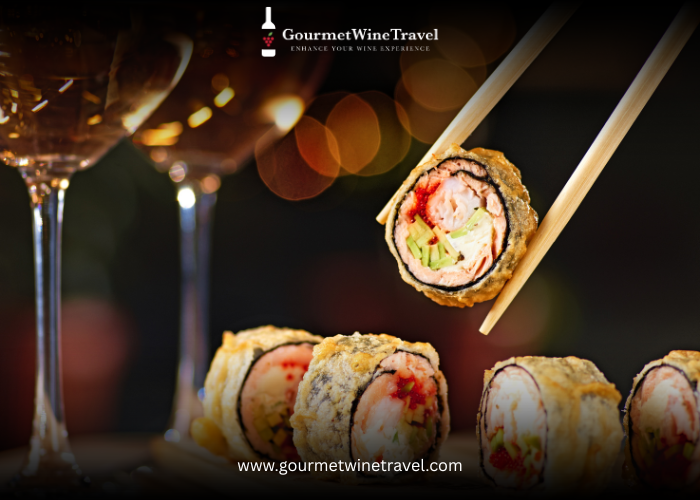
Beyond Sake: Why Fine Wine Pairs Beautifully with Sushi
Sushi and fine wine work together far better than most people expect. The clean, delicate flavours of raw fish, vinegared rice, and umami-rich soy sauce actually crave the acidity, minerality, and subtle fruit of a well-chosen wine. Crisp whites like Riesling, Chablis, or Grüner Veltliner cut through richness and lift the palate, while a chilled, light-bodied rosé or even a low-tannin red can bring surprising depth to grilled or seared preparations. In Switzerland, this pairing has become a genuine trend, with sommelier-led tasting evenings such as the Sushi Wine & Dine event in Uster showing local diners exactly why sake isn’t the only — or even the best — match for sushi.
Sake Has Long Been the Default. Here’s Why That’s Changing
For decades, sake was treated as the “correct” companion to sushi, almost by default rather than by design. It’s a fine drink, but it isn’t the only option, and it certainly isn’t always the best one. Wine brings something sake simply can’t: a spectrum of acidity, texture, and aromatic complexity that can be matched precisely to each type of fish, each sauce, and each bite.
Sommeliers across Europe have spent the last few years quietly rewriting the rulebook. Restaurants in Zurich, Geneva, and smaller towns like Uster are now hosting dedicated tasting dinners that put wine, not sake, at the center of the sushi experience. The results have converted plenty of sceptics.
The Science Behind the Pairing
Raw fish is delicate, slightly fatty, and often coated in salty, umami-heavy soy sauce. Wine pairing here comes down to three factors:
- Acidity—a bright, high-acid white (think Riesling or Sauvignon Blanc) mirrors the tang of rice vinegar in the sushi rice and refreshes the palate between bites.
- Minerality—cool-climate whites with a flinty, saline edge (Chablis is the classic example) echo the oceanic character of raw fish without overpowering it.
- Low tannin—tannin clashes badly with fish, giving off unpleasant metallic notes, which is why reds are used sparingly and only with richer, seared, or grilled preparations like eel or seared tuna.
Get these three elements right, and wine doesn’t just accompany sushi—it elevates it.
Best Wine Styles for Different Sushi Types
Delicate White Fish (Sea Bream, Sole, Flounder)
These mild, almost sweet fish need a wine that won’t steamroll them. A dry, unoaked white—a Swiss Chasselas from Lake Geneva, an Austrian Grüner Veltliner, or a lean French Chablis—keeps the pairing light and precise.
Fatty Fish (Salmon, Toro, Mackerel)
Richer, oilier cuts need a wine with a bit more body and acidity to cut through the fat. Off-dry Riesling from the Mosel or Alsace is the classic pick here, its subtle sweetness balancing the fish’s richness beautifully.
Shellfish and Sushi Rolls with Sauce
Spicy mayo, eel sauce, or tempura elements bring sweetness and heat into play. A slightly aromatic white—Gewürztraminer or a dry Pinot Gris—has enough perfume and body to stand up to bolder flavours.
Seared or Grilled Preparations
For torched salmon, seared tuna, or teriyaki-glazed dishes, a chilled, fruity, low-tannin red such as a light Pinot Noir or a Swiss Gamay from Ticino works surprisingly well, adding a savory depth that sake can’t offer.
Sparkling Wine, the Universal Bridge
If there’s one style that works across almost the entire sushi menu, it’s sparkling wine. The bubbles cleanse the palate, the acidity matches the vinegar in the rice, and a touch of dosage handles both delicate and richer bites with ease. It’s no coincidence that many wine-and-sushi evenings open with a glass of something sparkling before moving into the main pairing menu.
Why Switzerland Is the Perfect Setting for This Trend
Switzerland might not be the first country that comes to mind for sushi, but it has quietly become an ideal home for this kind of pairing experience. The country sits at a genuine crossroads of culinary cultures, with access to exceptional Swiss, French, German, and Italian wines, alongside a growing appetite for authentic Japanese cooking.
Zurich’s food scene in particular has embraced the sushi-and-wine concept, with small, intimate tasting evenings replacing the old idea of an anonymous sushi buffet. These events tend to be hosted in private locations, often led by a sommelier who walks guests through each course and its matching glass, course by course.
The Sushi Wine & Dine Event in Uster
One of the clearest examples of this shift is the Sushi Wine & Dine event held in Uster, just outside Zurich. Hosted in an intimate setting for a small group of guests, the evening is built around a multi-course Japanese menu—from a refined appetiser through to expertly prepared sushi and a Far Eastern-inspired dessert—with each course paired to a carefully chosen wine by a professional sommelier.
What makes evenings like this stand out isn’t just the food or the wine individually, but the way the pairing is explained course by course. Guests don’t just drink alongside their meal; they understand why a particular glass was chosen for a particular bite, which turns dinner into a genuine tasting education.
For anyone exploring wine travel within Switzerland, this kind of evening is a low-effort, high-reward way to combine two passions—good wine and exceptional food—without needing to leave the Zurich region.
How to Plan Your Own Sushi and Wine Evening
You don’t need a sommelier on speed dial to try this pairing at home, though it certainly helps. A few practical tips:
- Chill everything. Sushi wines should generally be served cold, even reds, to keep the fresh, palate-cleansing effect intact.
- Start light, build up. Begin with the most delicate fish and lightest wine, then move toward richer fish and fuller-bodied wines as the meal progresses.
- Keep soy sauce light. Too much soy sauce overwhelms wine’s subtler notes—a light dip goes further than a heavy pour.
- Don’t be afraid of bubbles. A good Crémant or Swiss sparkling wine is a safe, crowd-pleasing opener for any sushi spread.
- Book a guided tasting if you can. A sommelier-led evening takes the guesswork out entirely and introduces pairings you’d likely never think to try yourself.
For those who want the guided version without the planning, joining a structured Sushi Wine & Dine event is by far the easiest route—and it doubles as a fun, low-key introduction to broader wine travel experiences across Switzerland.
Frequently Asked Questions
Is wine really better than sake with sushi?
“Better” depends on personal taste, but wine offers a wider range of acidity, aromatics, and body, which allows for far more precise matching to different types of fish, sauces, and preparations than sake typically provides.
What is the best all-round wine for a sushi dinner?
A dry, high-acid white like Chablis or a brut sparkling wine is the safest, most versatile choice, since both pair well across delicate, fatty, and lightly sauced sushi styles.
Can red wine work with sushi?
Yes, but selectively. Light, low-tannin, chilled reds such as Pinot Noir or Gamay pair well with seared or grilled preparations, though tannic reds generally clash with raw fish.
Where can I try a sushi and wine pairing evening in Switzerland?
Sommelier-led dinners such as the Sushi Wine & Dine event near Zurich offer a structured, multi-course pairing menu, making them an easy entry point for anyone curious about the trend.
Is sushi and wine pairing common in Switzerland?
It’s a growing trend, particularly in and around Zurich, where small private tasting dinners have become a popular alternative to traditional sushi restaurants.
Conclusion
Sake will always have its place at the sushi table, but it no longer has to be the only option—or even the default one. Fine wine, chosen thoughtfully by fish type and preparation, can bring out nuances in sushi that sake simply isn’t built to reach. Switzerland’s growing scene of intimate, sommelier-guided dinners, including events like the Sushi Wine & Dine evening in Uster, is proof that this pairing isn’t a gimmick; it’s a genuinely rewarding way to experience Japanese cuisine.
If you’re curious to taste the difference for yourself, keep an eye on upcoming Sushi Wine & Dine event dates and explore more wine travel experiences around Switzerland—your palate will thank you.
Recent Comments