
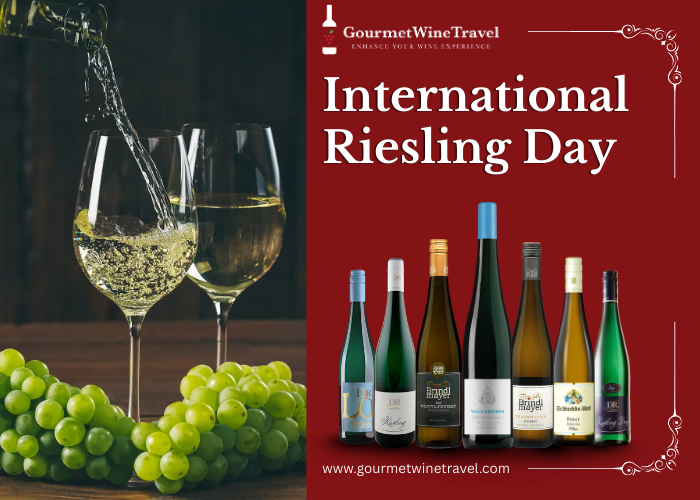
International Riesling Day is a wonderful occasion for wine enthusiasts to appreciate one of the world’s most expressive and versatile white grape varieties – Riesling. The celebration is linked to the first recorded mention of Riesling in a historic German document from 1435, marking a decisive moment in the grape’s long and fascinating history.
For centuries, Riesling has captivated wine lovers with its vibrant aromas, refreshing acidity, and remarkable ability to reflect the character of the vineyards where it is grown. From crisp, dry styles to beautifully balanced sweet wines, Riesling continues to be a favorite among sommeliers, collectors, and casual wine drinkers alike. International Riesling Day provides a wonderful opportunity to explore the grape’s heritage, discover its diverse styles, and learn more about the iconic vineyards that produce it.
The Origins of Riesling
Riesling’s story begins in Germany, where it has been cultivated for centuries. The earliest documented reference to the grape appears in records from the Rheingau region in 1435, when a vineyard manager recorded the purchase of Riesling vines. Over time, the grape spread across many German wine regions and became one of the country’s most celebrated varieties.
The ability of Riesling to embody the concept of terroir, a blend of soil, climate, and geography, sets it apart. The grape thrives particularly well in cooler climates, where slow ripening allows it to develop complex flavors while maintaining balanced acidity. This distinctive characteristic explains why Riesling wines from different regions can taste remarkably different, even when produced from the same grape variety.
Temjanika: Macedonia’s Aromatic White Treasure
If Vranec is Macedonia’s red soul, Temjanika is its white heart – and it is criminally underappreciated beyond the Balkans. This indigenous aromatic white variety, related to the Muscat family, produces wines of haunting floral intensity: rose petal, orange blossom, fresh apricot, and a distinctive musky sweetness that makes it immediately recognizable and endlessly beguiling.
Temjanika is produced across a stylistic spectrum that rewards exploration. Dry expressions showcase the variety’s natural acidity alongside its perfume, creating a wine of genuine tension and elegance that pairs beautifully with the lighter dishes of Macedonian cuisine – grilled fish, fresh vegetables and white cheeses. Semi-dry and sweet expressions allow the variety’s natural aromatics to bloom fully, producing wines that function as both aperitif and dessert accompaniments with equal success.
The Skopje and Ovče Pole districts produce particularly notable Temjanika, and boutique producers working with naturally lower yields are crafting versions that demonstrate this variety has genuine premium potential when taken seriously. In a blind tasting, an excellent Macedonian Temjanika can stop even experienced wine lovers in their tracks – the question of “What is this?” arising from a combination of familiarity and the unmistakable sense that something genuinely distinctive is in the glass.
Why Riesling Is Loved Around the World
Riesling’s popularity comes from its incredible diversity and versatility. Unlike many other grape varieties, Riesling can produce wines across a wide spectrum of styles.
Some Rieslings are dry and mineral-driven, offering crisp citrus and green apple notes. Others are off-dry, balancing gentle sweetness with refreshing acidity. At the sweeter end of the spectrum, Riesling can produce luscious dessert wines with flavors of honey, stone fruit, and tropical aromas.
Another reason Riesling is so widely appreciated is its natural acidity, which provides the wine a refreshing character and helps it age gracefully. Many high-quality Rieslings can develop fascinating complexity over time, revealing aromas of petrol, dried fruit, and spice as they mature.
Riesling is also known for its excellent food-pairing potential. It complements a wide variety of cuisines, including spicy Asian dishes, seafood, poultry, and light salads. The balance of sweetness and acidity allows it to pair beautifully with flavors that might overwhelm other wines.
Iconic Riesling Regions to Explore
On International Riesling Day, wine lovers often celebrate by exploring some of the most famous Riesling regions in the world. Each region brings its style and personality to the grape.
Mosel, Germany
One of the most renowned Riesling regions is the Mosel, famous for its steep vineyards overlooking the Mosel River. The region produces elegant wines known for their bright acidity, delicate sweetness, and aromas of green apple, citrus, and slate minerality.
Mosel Rieslings are often lighter in body but incredibly aromatic, making them some of the most recognizable expressions of the grape.
Alsace, France
Across the border in Alsace, Riesling takes on a different personality. Alsace Rieslings are typically dry and powerful, with concentrated fruit flavors and a rich texture. The region’s sunny climate and diverse soils create wines that are both structured and expressive.
Alsace producers often highlight the grape’s purity, crafting wines that emphasize mineral notes and vibrant fruit character.
Wachau, Austria
In Wachau, Riesling thrives along the steep terraces of the Danube River. The wines from this region are known for their intensity, complexity, and distinctive stone-fruit aromas.
Wachau Rieslings are typically dry and age-worthy, with a balance of power and elegance that has earned them international recognition.
Clare Valley, Australia
Riesling has also found a remarkable home in the Southern Hemisphere. In Clare Valley, producers create crisp, refreshing Rieslings with vibrant lime and citrus flavors.
These wines are often youthful and energetic, showcasing the grape’s natural freshness and purity.
Celebrating International Riesling Day
International Riesling Day on March 13 is a wonderful opportunity to celebrate the grape’s heritage and explore its global diversity. Wine enthusiasts mark the occasion in many ways, from tasting new bottles to visiting vineyards or learning more about Riesling’s history.
A popular way to celebrate is by organizing a Riesling tasting experience. Sampling wines from different regions allows you to discover how climate, soil, and winemaking traditions influence the final expression of the grape.
Another enjoyable way to celebrate is by pairing Riesling with food. Because the wine works well with a wide variety of dishes, it’s easy to create a tasting menu that highlights its versatility. From seafood and sushi to spicy Asian cuisine and fresh salads, Riesling can elevate many meals.
Wine tours are also a fantastic way to experience the grape firsthand. Visiting vineyards during the growing season allows travelers to see the landscapes where Riesling thrives and meet the passionate winemakers who bring these wines to life.
Conclusion
More than five centuries after its first recorded mention, Riesling keeps inspiring wine lovers across the globe. Its unique ability to express terroir, age beautifully, and complement diverse cuisines ensures that it remains one of the world’s most admired white grape varieties.
International Riesling Day is not just about enjoying a glass of wine – it is about celebrating the rich history, craftsmanship, and cultural heritage behind every bottle. Whether you prefer a crisp dry Riesling or a delicately sweet style, this special day is the perfect moment to discover new vineyards, explore different regions, and appreciate the remarkable diversity of this iconic grape.
So raise a glass and celebrate the timeless elegance of Riesling – a wine that continues to connect tradition, terroir, and taste in every sip.
Recent Comments